By: Maarij Farooq
The convening of the World Urban Forum 13 in Baku marked more than a routine gathering of policymakers, urban planners, and development experts, it signaled a renewed global urgency to rethink how cities are built, governed, and sustained in an era of rapid transformation. Organized under the auspices of UN Habitat, the Forum has long served as the premier international platform for dialogue on urbanization. Yet the Baku edition carried particular weight, arriving at a time when cities are grappling with converging pressures, climate change, migration, technological disruption, and widening socio economic disparities.
At its core, the World Urban Forum is not a negotiating platform in the traditional diplomatic sense, but rather a space for shaping narratives, exchanging best practices, and building consensus on the principles that should guide urban development. In Baku, these conversations were both timely and consequential. With over half of the world’s population now residing in urban areas, and projections indicating that this figure will rise to nearly seventy percent by mid century, the stakes of urban governance have never been higher.
The thematic focus of the Forum revolved around inclusive, resilient, and sustainable urban futures. Discussions emphasized the need to move beyond conventional models of urban expansion, which have often prioritized economic growth at the expense of environmental sustainability and social cohesion. Instead, participants highlighted the importance of integrated planning, where infrastructure development, environmental protection, and social equity are treated as interconnected pillars rather than isolated objectives.
One of the most significant outcomes of the Forum was the reaffirmation of the New Urban Agenda, alongside a stronger push for its localization. While the Agenda has been widely endorsed since its adoption, implementation has remained uneven. In Baku, there was a clear recognition that global frameworks must be translated into context specific strategies, tailored to the unique challenges and capacities of individual cities and regions. This shift from broad commitments to actionable pathways is likely to define the next phase of global urban policy.
Equally notable was the emphasis on climate resilience. Cities are both contributors to and victims of climate change, accounting for a substantial share of global emissions while simultaneously facing heightened vulnerability to extreme weather events. The Forum underscored the need for climate adaptive infrastructure, green urban spaces, and sustainable mobility systems. Importantly, there was also a growing acknowledgment that technological innovation, including smart city solutions, must be aligned with sustainability goals rather than pursued as an end in itself.
The Baku Forum also highlighted the role of financing in shaping urban futures. The gap between urban development needs and available resources remains a persistent challenge, particularly in developing countries. Discussions pointed to the necessity of innovative financing mechanisms, public private partnerships, and greater involvement of international financial institutions. Without addressing this financial dimension, even the most well conceived urban strategies risk remaining aspirational.
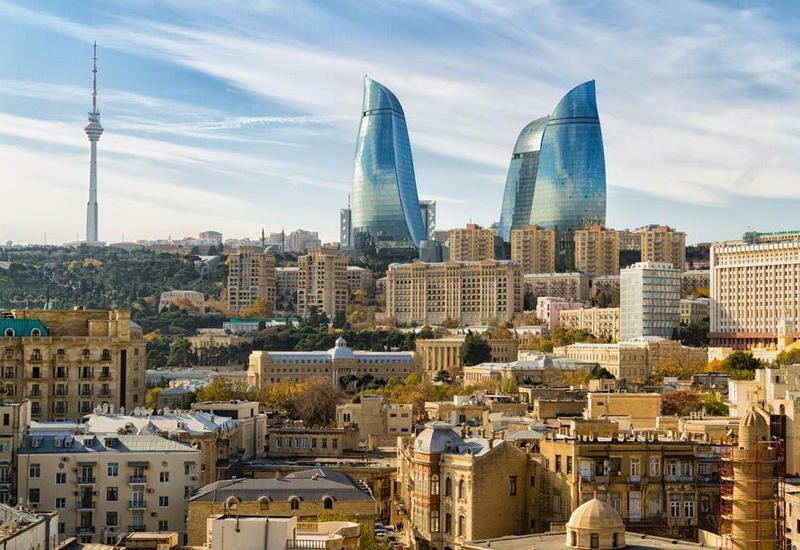
From an organizational standpoint, Azerbaijan’s hosting of the Forum was widely regarded as both efficient and symbolically significant. Baku, a city that has undergone a remarkable transformation over the past two decades, provided a fitting backdrop for discussions on urban evolution. The city’s blend of historical heritage and modern infrastructure illustrated the possibilities of strategic urban planning, while also serving as a case study for the complexities that accompany rapid development.
The execution of the Forum reflected a high level of coordination and commitment. Delegates noted the seamless logistics, the inclusivity of sessions, and the diversity of voices represented. Beyond the formal proceedings, the event also offered opportunities for cultural exchange, reinforcing the idea that cities are not merely physical spaces but living embodiments of identity and history.
Looking ahead, the impact of the World Urban Forum 13 will depend on the extent to which its insights are translated into tangible action. The Forum has succeeded in setting the agenda and sharpening the global conversation on urbanization. However, the real test lies in implementation, in whether governments, institutions, and communities can align their efforts to build cities that are not only economically dynamic but also environmentally sustainable and socially inclusive.
In this regard, Baku may well be remembered as a pivotal moment, a point at which the global community moved closer to recognizing that the future of humanity is, in many ways, the future of its cities.