


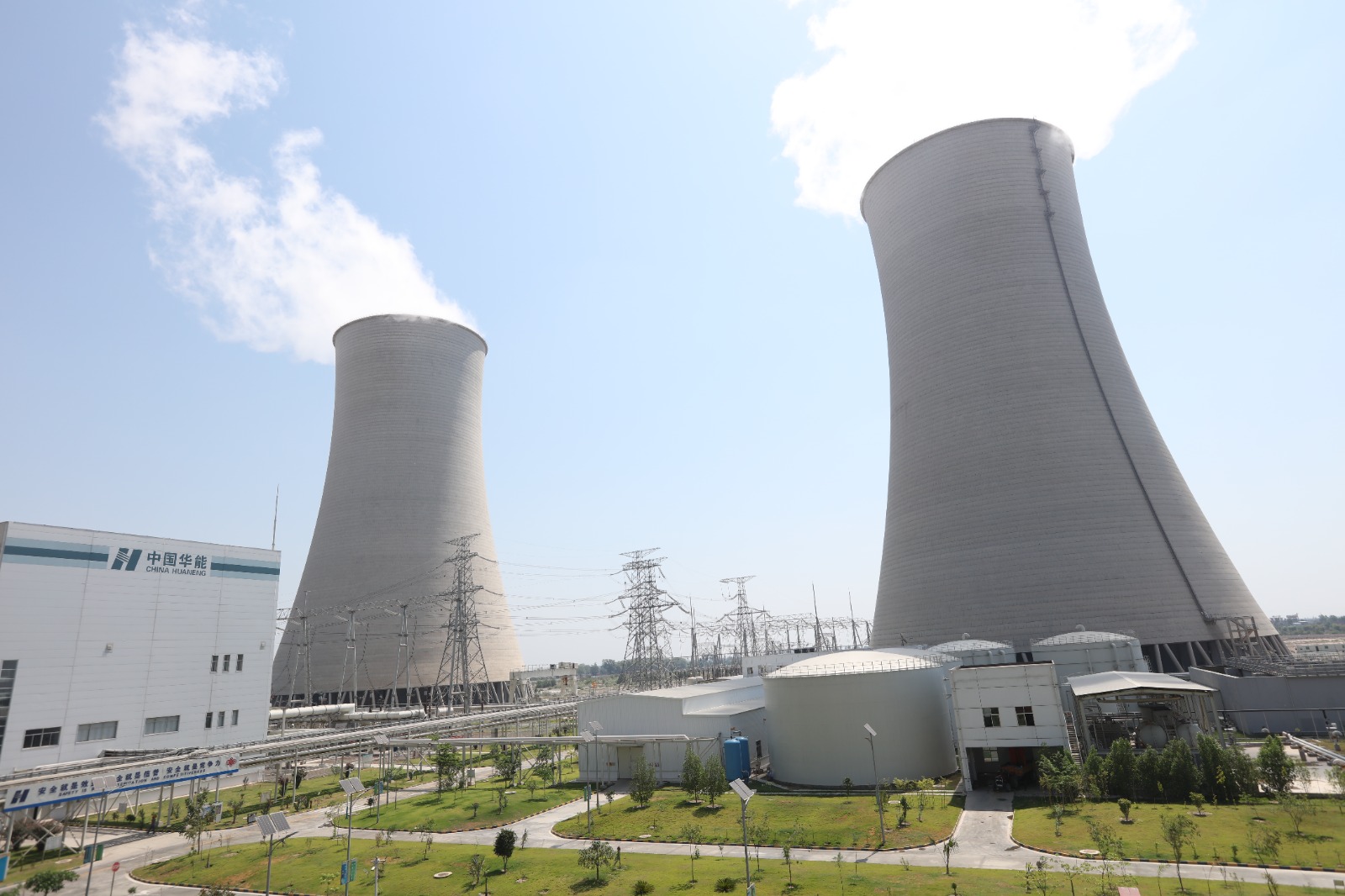
ISLAMABAD (DI NEWS) : The Sahiwal Coal-Fired Power Plant, operated by Huaneng Shandong Ruyi (Pakistan) Energy, has emerged as one of the most influential energy projects in Pakistan, not only for its 1,320 MW contribution to the national grid but also for its far-reaching economic and social impact. Located in Sahiwal, the project represents a significant milestone in the country’s efforts to strengthen energy security while simultaneously stimulating regional development. Beyond its technical capacity, the plant has become a key driver of fiscal stability, workforce transformation, and environmental modernization.
From a financial perspective, the project stands out as a major contributor to the national economy. Since achieving its Commercial Operations Date (COD) in 2017, the plant is a vital revenue source for the government. This contribution spans multiple channels, including corporate income tax, sales tax, and customs duties generated through the import of coal and specialized equipment. Additionally, the plant has created a multiplier effect by engaging a wide network of local vendors for logistics, security, and operational support. These business activities generate further taxable income at both provincial and federal levels. In a time when fiscal discipline and revenue generation are critical for economic stability, the Sahiwal project functions as a reliable “revenue anchor,” helping to bridge the gap between public expenditure and national income.
Equally significant is the plant’s impact on human capital development in the region. Contrary to the common criticism that large-scale infrastructure projects rely heavily on imported labor, this initiative has prioritized local workforce empowerment. Through the establishment of a modern Technical Training Center (TTC), the company has provided free, high-quality technical education to young individuals from Sahiwal and surrounding districts. As a result, a new generation of skilled workers has emerged, capable of competing not only locally but also in international industrial markets. This investment in human capital has not only created employment opportunities within the plant but has also strengthened the broader labor market. The project has also contributed to reversing the long-standing trend of outward migration from smaller cities. Traditionally, skilled professionals from Sahiwal sought employment in major urban centers like Lahore and Karachi or moved abroad in search of better opportunities. However, the presence of a world-class industrial facility offering competitive career prospects has encouraged many to remain in their hometown. By retaining both intellectual and financial capital within the region, the project has played a crucial role in fostering sustainable community development.
On the technological and environmental front, the Sahiwal Coal-Fired Power Plant demonstrates how modern engineering can significantly enhance efficiency while addressing environmental concerns traditionally associated with coal-based power generation. The facility incorporates advanced supercritical technology, a system that operates at higher temperatures and pressures than conventional subcritical plants. This enables the plant to generate more electricity from the same amount of fuel, thereby reducing coal consumption per unit of energy produced. As a result, the plant achieves higher thermal efficiency, which not only lowers operational costs but also contributes to a reduction in overall carbon emissions. This efficient use of resources represents a critical step forward in improving the sustainability profile of coal-fired power in developing economies.
Beyond efficiency, the plant integrates a range of advanced emission control technologies designed to minimize its environmental footprint. Among these are high-performance Electrostatic Precipitators (ESP), which are capable of removing up to 99 percent of particulate matter from flue gases before they are released into the atmosphere. This significantly reduces air pollution and helps maintain air quality standards in the surrounding region. Complementing this system is the Flue Gas Desulfurization (FGD) unit, which effectively captures sulfur dioxide emissions. Together, these systems ensure that emissions from the plant remain within permissible environmental limits, reflecting a strong commitment to responsible industrial operation.
In the broader context, the Sahiwal Coal-Fired Power Plant stands as a compelling example of how large-scale infrastructure projects can deliver benefits that extend far beyond their primary function. While its contribution of 1,320 megawatts to the national grid is significant, the project’s true value lies in its multidimensional impact. It underscores the idea that success should not be measured solely in terms of electricity generation, but also through economic contributions, technological advancement, workforce development, and environmental responsibility. By integrating modern technology with sustainable practices, the plant has set a benchmark for future energy projects in the region. Furthermore, the project reflects a forward-looking vision for Pakistan’s energy and economic landscape. As the country continues to grapple with the dual challenges of meeting growing energy demands and maintaining economic stability, initiatives like the Sahiwal plant offer a practical roadmap.
Ultimately, the Sahiwal project illustrates the transformative potential of well-planned infrastructure investment. By combining efficiency, environmental care, and socio-economic impact, it has redefined what a modern power plant can achieve. It serves as a model for how countries like Pakistan can leverage technology and strategic planning to drive sustainable growth, improve living standards, and build a more secure and prosperous future for their communities




© 2024 – Daily Ittehad. All Rights Reserved.
Developed by Optimaxor