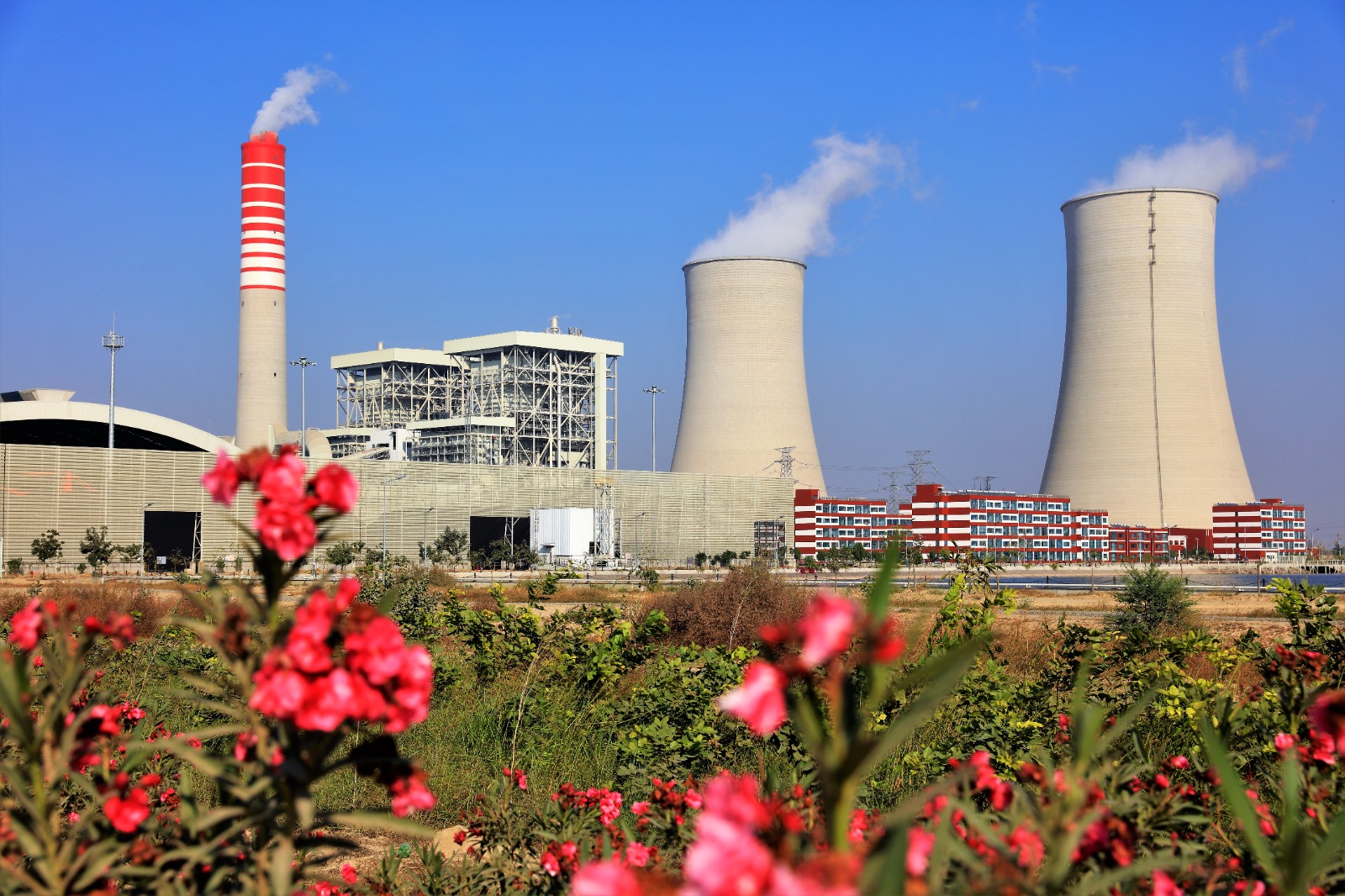
ISLAMABAD (DI NEWS) : As Pakistan enters the high-demand spring and summer seasons of 2026, the pressure on the national grid system has intensified significantly due to rising temperatures, increased use of cooling appliances, and growing industrial and agricultural activity. In this challenging environment, the 1320MW Sahiwal Power Plant has once again demonstrated its critical role in ensuring a stable and uninterrupted supply of electricity to the national grid. Through efficient operations, strong coordination with relevant institutions, and meticulous planning, the plant has emerged as a cornerstone of reliability during one of the most demanding periods of the year.
The surge in electricity demand during spring and summer is a recurring phenomenon in Pakistan, but in 2026, the situation has been particularly acute. With temperatures climbing earlier than usual and prolonged heatwaves affecting large parts of the country, electricity consumption has increased sharply. Air conditioners, fans, and refrigeration units are operating at full capacity across households, while agricultural demand has also risen due to increased use of tube wells for irrigation. Simultaneously, industrial and commercial activities continue to expand, placing further strain on the already burdened power system. In such a scenario, the need for dependable base-load power generation becomes more crucial than ever.
The Sahiwal Power Plant, comprising two 660MW units, has played a pivotal role in addressing this demand surge by operating at high efficiency and maintaining consistent output. Unlike renewable energy sources that are subject to variability, the plant provides continuous and stable electricity, making it an essential component of Pakistan’s energy mix. Its ability to function as a base-load plant allows it to supply power around the clock, ensuring that fluctuations in demand do not translate into widespread outages.
During the early months of 2026, particularly in the transition from spring to summer, the plant maintained an impressive operational performance. It consistently operated at high load factors, with both units contributing significantly to the national grid. This performance was especially evident during the Ramazan period, when electricity demand typically spikes due to changes in consumption patterns. The plant successfully sustained near-full capacity operations, generating substantial electricity and supporting the grid during peak hours, including Sehri and Iftar times when demand tends to surge.
One of the key factors behind this uninterrupted power supply has been the plant’s robust fuel management system. The Sahiwal Power Plant relies on imported coal, and its efficient handling of fuel logistics has ensured that generation remains unaffected by supply disruptions. Coal shipments are carefully planned and coordinated, with seamless unloading at ports and timely transportation to the plant via railway networks. The ability to manage large volumes of coal efficiently has eliminated one of the most common causes of power generation interruptions in thermal plants. This integrated supply chain has enabled the plant to maintain adequate fuel reserves even during periods of heightened demand.
In addition to fuel management, the plant’s operational excellence is supported by advanced technical systems and proactive maintenance practices. Preventive maintenance schedules are strictly adhered to, ensuring that all equipment remains in optimal condition. Any potential issues are identified and addressed well in advance, minimizing the risk of unplanned outages. The plant’s technical teams work round the clock to monitor performance parameters and ensure that both units operate at maximum efficiency. This commitment to operational reliability has been instrumental in sustaining uninterrupted power supply during critical periods.
The Sahiwal Power Plant also plays a significant role in maintaining the stability of the national grid beyond just power generation. Its consistent output helps in balancing supply and demand, reducing fluctuations in voltage and frequency that can otherwise lead to system instability. During peak demand hours, particularly in the evenings when solar generation declines, the plant continues to supply electricity at high capacity, effectively bridging the gap and preventing shortfalls. This contribution is vital in ensuring that the grid operates smoothly even under extreme conditions.
Another important aspect of the plant’s success is its close coordination with key stakeholders, including the National Grid Dispatch Centre, Central Power Purchasing Agency, Pakistan Railways, and port authorities. This coordination ensures that generation schedules are aligned with grid requirements, fuel supplies are maintained without interruption, and any operational challenges are addressed promptly. The seamless collaboration among these entities reflects a well-integrated approach to power generation and distribution, which is essential for meeting the country’s energy needs during peak seasons.
Despite the availability of installed generation capacity, Pakistan’s power sector continues to face structural challenges such as transmission constraints, circular debt, and distribution inefficiencies. These issues often result in load shedding even when sufficient electricity is being generated. In this context, the reliable performance of the Sahiwal Power Plant becomes even more significant. By consistently delivering electricity to the grid, the plant helps mitigate the impact of these systemic challenges and ensures that a substantial portion of demand is met without disruption.
The impact of the plant’s uninterrupted supply is particularly evident in central Punjab, where it serves as a major source of electricity for key urban and industrial centres. Its strategic location reduces transmission losses and enhances the efficiency of power delivery, contributing to improved supply conditions in the region. Consumers benefit from fewer outages and more stable voltage levels, which in turn supports economic activity and improves quality of life.
While coal-based power generation is often subject to environmental scrutiny, the Sahiwal Power Plant incorporates modern technologies designed to minimize emissions and enhance efficiency. The use of high-efficiency boilers and emission control systems ensures that the plant operates within environmental standards while delivering reliable power. At the same time, its role in ensuring energy security cannot be overlooked, particularly in a country where energy shortages have historically hindered economic growth.
As Pakistan continues to diversify its energy mix with greater emphasis on renewable sources, the importance of reliable base-load plants like Sahiwal remains undiminished. Renewable energy, while essential for a sustainable future, is inherently intermittent and cannot fully meet peak demand without support from stable generation sources. The Sahiwal Power Plant provides this necessary stability, ensuring that the transition to cleaner energy does not come at the cost of reliability.
Looking ahead, the ongoing summer season of 2026 will continue to test the resilience of Pakistan’s power sector. With demand expected to reach new highs, the contribution of major power plants will be crucial in maintaining uninterrupted supply. The Sahiwal Power Plant, with its proven track record of operational excellence, is well-positioned to meet this challenge. Its ability to sustain high performance under pressure underscores its importance as a key asset in the national energy infrastructure.
In conclusion, the Sahiwal Power Plant has once again demonstrated its vital role in supporting Pakistan’s national grid during a period of heightened electricity demand. Through efficient operations, strong logistical management, and effective coordination with relevant institutions, it has ensured a steady and uninterrupted flow of electricity to millions of consumers. As the country navigates the challenges of rising demand and evolving energy dynamics, the plant stands as a symbol of reliability and resilience, powering the nation through the demanding spring and summer months of 2026.