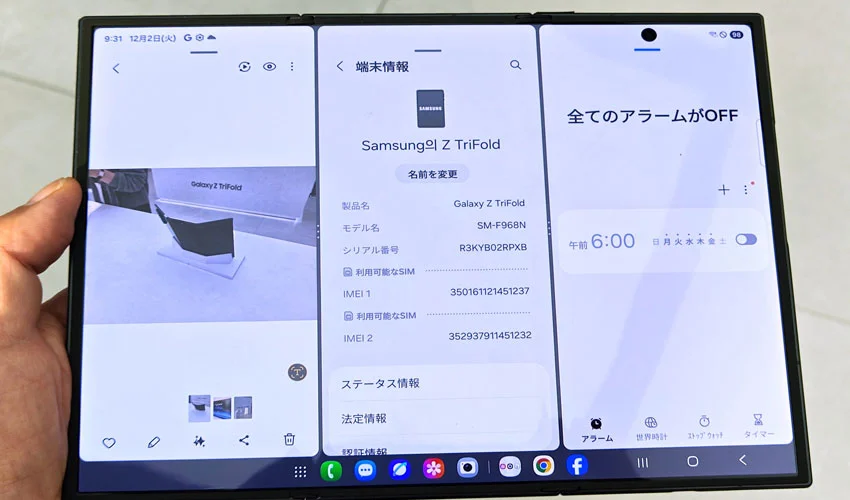
Samsung has officially unveiled the Galaxy Z TriFold, marking the company’s entry into tri-fold smartphones. With a 10-inch Dynamic AMOLED display and high-end specs, the device promises desktop-class functionality in a foldable form.
The Galaxy Z TriFold will hit the Korean market in December, with a US launch scheduled for the first quarter of 2026.
Design and display
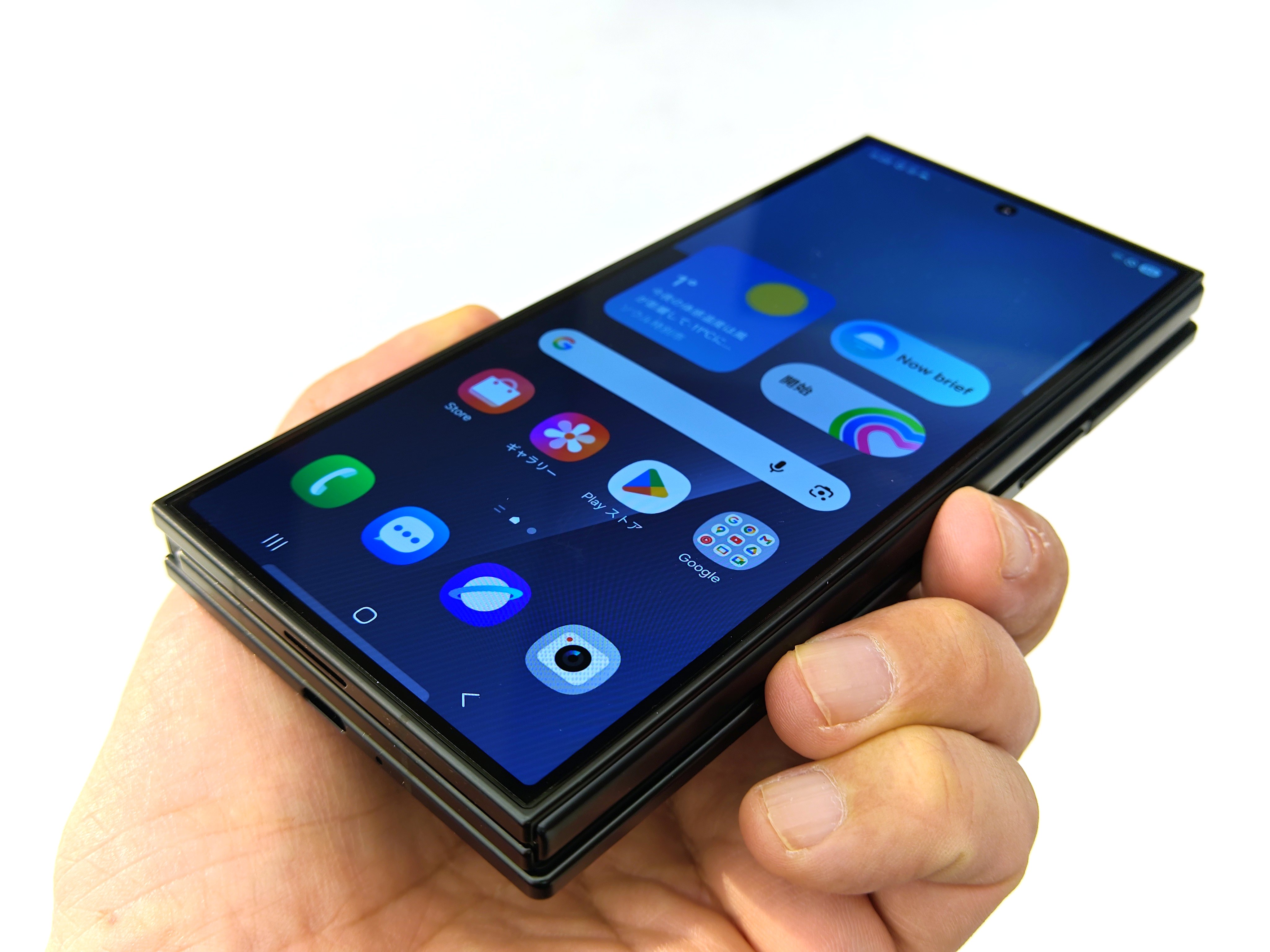
The Galaxy Z TriFold measures 12.9mm thick when fully unfolded and just 3.9mm at its thinnest point, weighing 309 grams. Unlike previous trifolding concepts, it unfolds twice rather than using an accordion-style hinge.

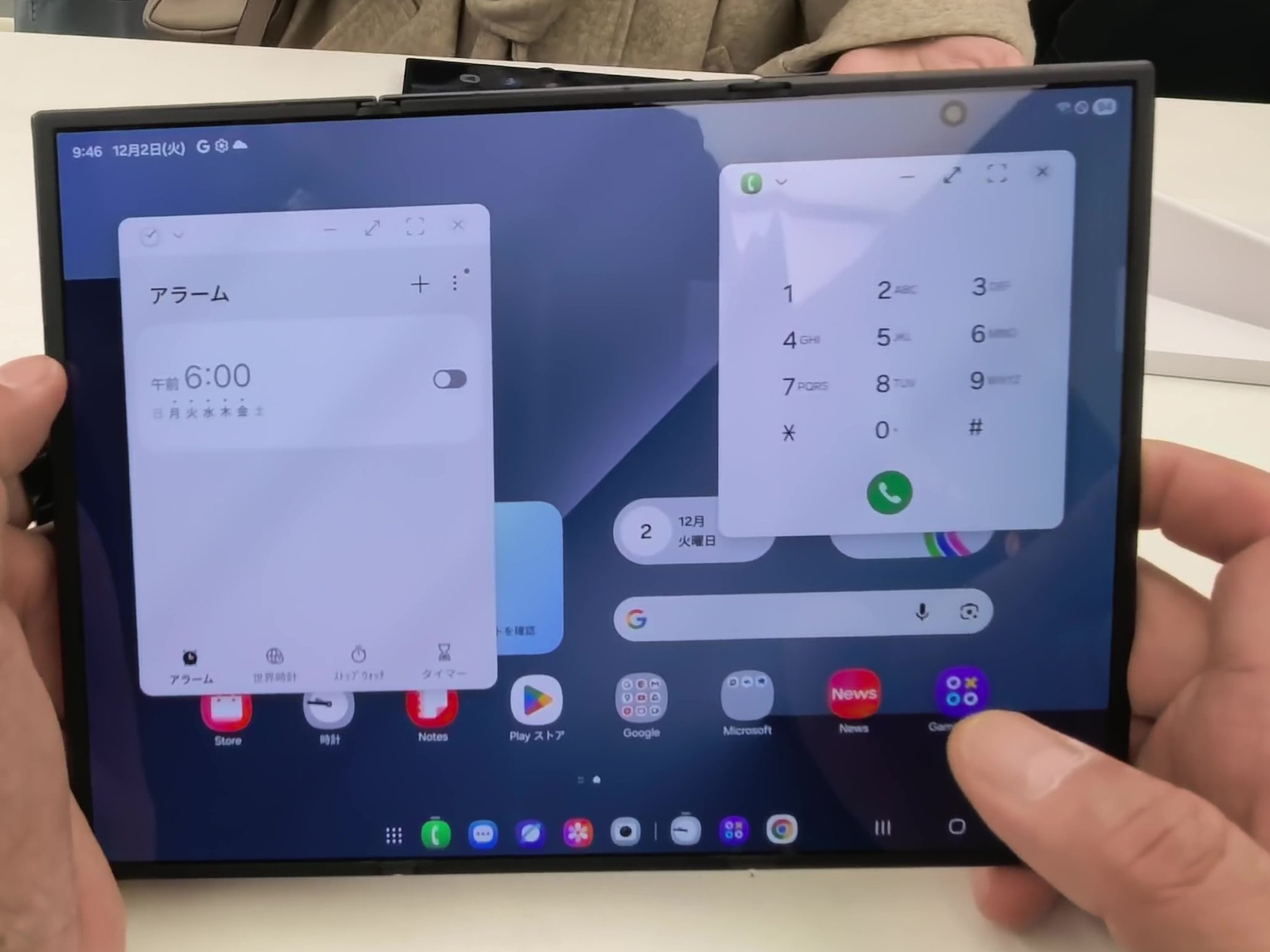
The outward-facing center panel serves as a 6.5-inch cover display, while the inner 10-inch panel supports multi-tasking with up to five apps open simultaneously, offering a “desktop-like” experience on a mobile device.
Power and performance
The phone is powered by the Snapdragon 8 Elite for Galaxy and comes with 16GB of RAM, ensuring smooth performance for multitasking and demanding applications. Battery life is supported by a triple-cell 5,600mAh battery, designed to handle the large inner display’s power needs.
Camera capabilities
Samsung equipped the TriFold with a 200MP main camera, a 10MP telephoto lens with 3x optical zoom, and a 12MP ultrawide camera. This setup aims to silence critics who questioned the photography capabilities of previous foldables.
Availability and pricing
The Galaxy Z TriFold will launch in Korea on December 12, with a gradual rollout to China, Taiwan, Singapore, the UAE, and the United States in early 2026. While exact pricing for other markets is not yet confirmed, the Korean launch price is 3,590,400 won (around $2,450), and the US version is expected to cost roughly $2,500.
Samsung is including a case, a 45W charger, a one-time 50% discounted screen replacement, and a 6-month Google AI Pro trial to offset the premium price.
Samsung highlights the Galaxy Z TriFold’s versatility for entertainment, productivity, and multi-tasking. The foldable design allows users to enjoy an expansive display without compromising portability, and its on-device processing supports Samsung’s privacy-first philosophy.