
From Karachi to London, organisations shifting to the cloud are facing a turning point in defence. A clutch of recent reports reveals that while cloud adoption is surging, major security gaps remain — especially around real-time detection, identity controls and skills.
The message: cloud innovation must now be matched with solid security if risks are to be contained.
Hybrid and multi-cloud strategies have become the norm, not the exception. For example, one report found that over 78 % of organisations use two or more cloud providers, and 54 % operate hybrid models integrating on-premises and public-cloud infrastructure.
At the same time, security and compliance remain among the biggest barriers to further cloud adoption, cited by 61 % of organisations.

These trends mean that cloud security is no longer an optional enhancement — it’s becoming central to how businesses operate and compete.
Key risks exposed by cloud security reports
Identity, access and lateral movement
Weak identity and access controls continue to be a major vulnerability. A high-profile “Top Threats” report pointed out that identity-and-access security and supply-chain risk are “growing in impact” across cloud services.
One study found that only 17 % of organisations have full visibility into east-west traffic within their cloud environments — making lateral movement of attackers far too easy.
Tool sprawl and poor detection
Cloud adoption has outpaced security readiness. For example:
62 % of organisations have adopted cloud-edge technologies, 57 % use hybrid cloud, 51 % operate in multi-cloud environments.
Only 9 % of organisations detected an incident within the first hour, while 62 % took more than 24 hours to remediate a breach.
71 % of respondents rely on over 10 different cloud-security tools; 16 % use more than 50. Alert fatigue and fragmentation are clearly hurting response.
The AI and non-human identity challenge
With AI workloads and non-human identities (e.g., service accounts, bots) now common in cloud environments, new attack surfaces are opening up. One report found:
84 % of organisations use AI in the cloud, and 62 % of them have at least one vulnerable AI-package in their environment.
Emerging research highlights how large-language-models (LLMs) and automation are being used by attackers — raising the stakes for defenders.
What organisations are doing
Unified platforms and automation
Nearly all respondents in one survey (97 %) indicated a preference for unified cloud-security platforms with centralized dashboards — indicating a push away from fragmented tool sets.
Moreover, automation in detection and response is increasingly critical — both to close the skills gap and to keep up with rapid attacker moves.
Zero trust and adaptive strategy
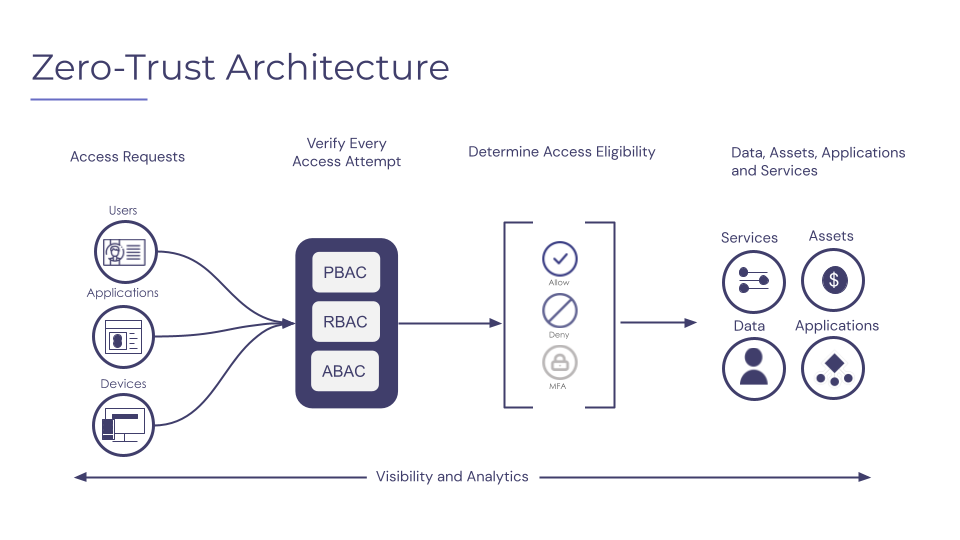
Analysts emphasise that the traditional perimeter-based security model no longer suffices in complex cloud environments. There’s growing emphasis on zero-trust architectures, continuous verification, and adaptive governance.
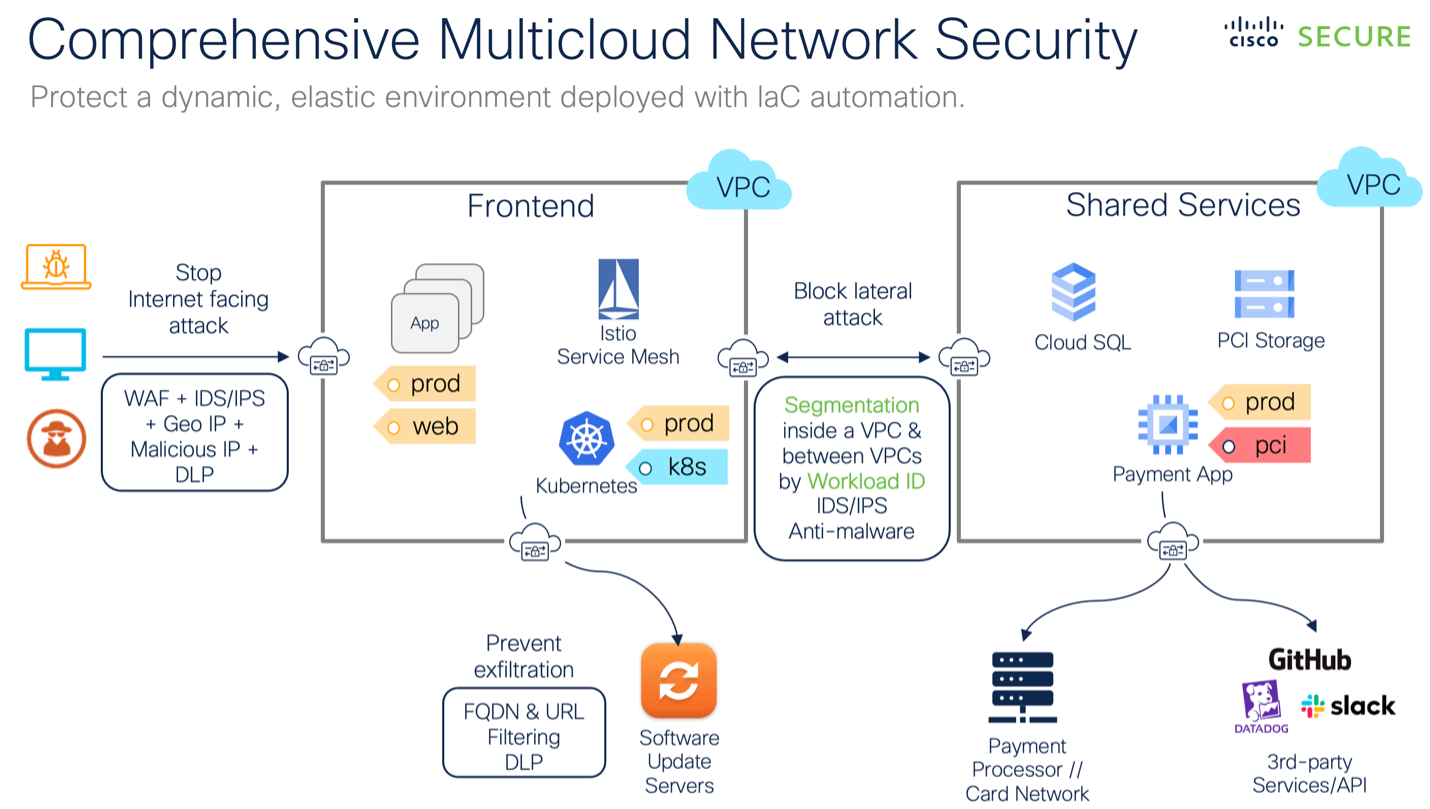
When cloud environments are distributed (multi-cloud/hybrid) and AI-driven, governance must evolve from static rule-books to dynamic, risk-based frameworks.
Upskilling and governance
Despite high confidence levels (one study reported 96 % of security teams feel confident in their cloud-security capabilities), many organisations still struggle operationally: tool gaps, budget constraints, audit failures.
Governance, regulation and compliance are non-negotiable. One survey found 78 % of organisations use governance frameworks (e.g., NIST, ISO27001), but 44 % still struggle to comply effectively.
Impact on Pakistani organisations & region
For banks, telecoms and enterprises in Pakistan and South Asia, these global trends translate into urgent calls for action. The region’s regulatory environment is catching up, but cloud adoption is accelerating fast.
Organisations locally must:
Ensure identity controls are tight and non-human accounts are monitored.
Move from legacy firewall-based to cloud-native visibility models.
Prioritise centralised, automated security platforms to manage multi-cloud complexity.
Bridge skills gaps through training and partnerships — cyber-talent remains scarce globally.
By doing so, regional firms can avoid being among the “easy pickings” for attackers exploiting mis-configurations, under-protected AI workloads and supply-chain weak links.
Outlook
Cloud environments will keep evolving: more generative-AI workloads, more complex hybrid/multi-cloud stacks, more “as-a-service” exposures. Analysts forecast strong growth in public-cloud services in 2025.
Organisations that treat cloud security as a strategic pillar — not just a checklist — will be better placed to innovate safely and protect critical assets.
Key technologies to keep an eye on:
Cloud-native application protection platforms (CNAPPs)
Continuous, automated validation and simulation of cloud controls.
AI-driven threat analysis and response, including for non-human identities
Consolidation of tools into unified platforms and governance models