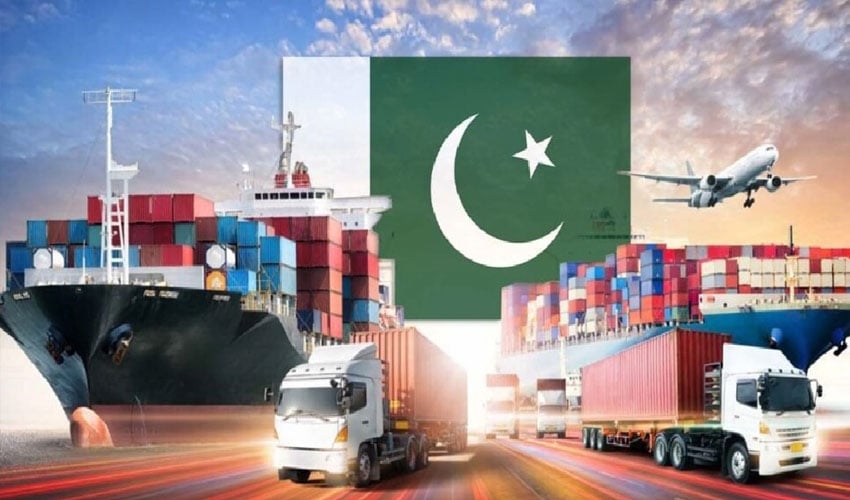
The federal cabinet has approved a new and improved barter trade framework aimed at simplifying and expanding trade with Afghanistan, Iran, and Russia.
The revised mechanism allows goods-for-goods exchange with more flexible timelines and regulations to encourage private sector participation and ease business operations.
According to the Ministry of Commerce, the government has officially extended the barter trade period from 90 to 120 days. The change was introduced through a new notification amending the business-to-business (B2B) barter trade mechanism under Pakistan’s import and export policy framework.
Under the revised system, trade will now be allowed based on the value equivalence of imports and exports, ensuring balanced transactions between Pakistani traders and their counterparts in the participating countries.
Customs to monitor quarterly reconciliations
Customs authorities will supervise barter transactions on a quarterly basis to ensure compliance. Traders are now required to reconcile the value of their imports and exports every three months.
If the accounts are not reconciled within the specified period, the relevant trade permit will be deemed canceled. This step aims to maintain transparency and accountability within the barter trade mechanism.
Simultaneous import
One of the key reforms includes abolishing the condition of mandatory import before export, which had previously slowed trade operations. Under the new rules, import and export can now take place simultaneously, streamlining the process for traders.
Additionally, private institutions are now allowed to form consortiums for barter trade. However, strict action will be taken against companies within these consortiums that fail to comply with trade laws or tax regulations.
Exporters have been formally incorporated into the new barter trade framework, broadening the scope for participation. The government has removed certain outdated clauses and introduced new ones to make the policy more practical, flexible, and business-friendly.
A major structural change involves eliminating the specific list of items permitted under barter trade. The system is now aligned with Pakistan’s general export and import policy, giving businesses greater freedom to negotiate trade items directly with partner countries.