As AI rapidly transforms workplaces in 2025, several technical skills that once guaranteed jobs are now becoming irrelevant. Tasks that once required hours of human effort are now automated — changing what employers actually value.
Here are five tech skills you should stop investing your time in this year.
1. Data entry
Data entry was once a major source of employment, especially in South Asia. But with AI-driven tools like ChatGPT, Google Gemini, and Microsoft Copilot, most organizations now rely on automation to handle repetitive data tasks.
Modern software can scan, extract, and organize data from documents or emails within seconds — with far higher accuracy than humans. Platforms like UiPath and Zapier are leading this automation shift.

If you’re still learning manual data entry, it’s time to pivot to AI data management or workflow automation instead.
2. Basic graphic design
AI platforms like Canva Magic Studio, Adobe Firefly, and Fotor AI are now capable of producing complete branding kits, posters, and social media visuals within minutes. You no longer need to master Photoshop just to make a logo or YouTube thumbnail.
While creative direction and brand storytelling still require human insight, the mechanical aspect of design — resizing, layout balancing, and background removal — is fully automated.
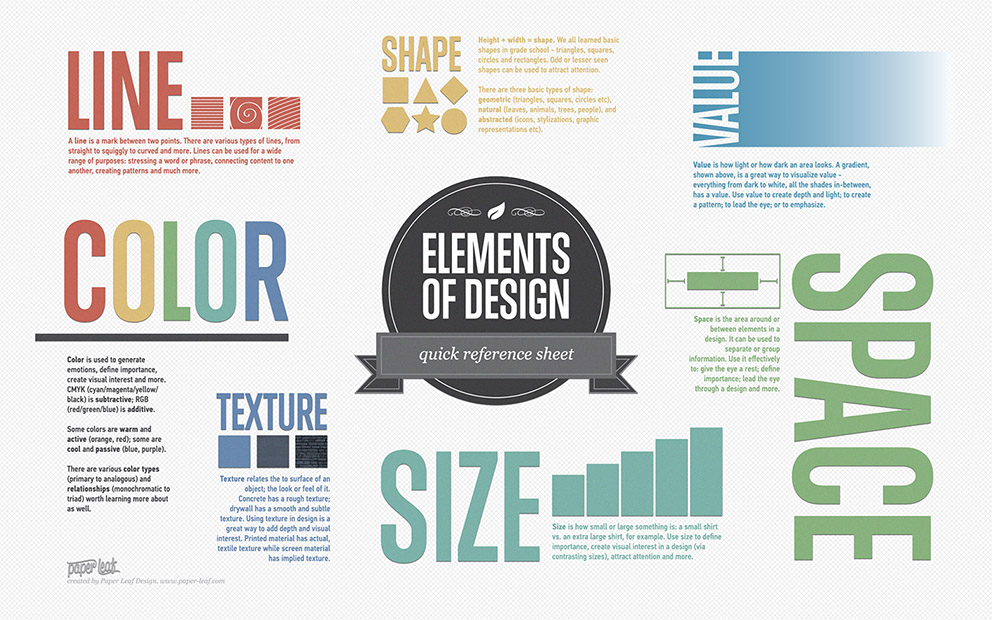
Instead, focus on learning UI/UX design, motion graphics, or creative strategy, where human judgment still matters.
3. Basic web development
Gone are the days when basic HTML and CSS guaranteed job security. No-code platforms like Webflow, Bubble, and Framer now allow anyone to build professional websites without writing a single line of code.

Even small businesses use AI assistants to launch entire e-commerce sites or landing pages.
4. Social media managment
Earlier, social media managers spent hours writing captions, scheduling posts, and analyzing reach. Now, AI tools like Buffer AI, Hootsuite OwlyWriter, and Meta’s Creator Studio automatically generate and schedule optimized content.
These systems also analyze trends, recommend hashtags, and even suggest ideal posting times.

Instead of managing posts manually, learn AI-driven content strategy, data analytics, and community engagement, which are in high demand.
5. Simple video editing
Basic video editing skills like trimming, color correction, or adding captions are quickly losing value. AI tools such as Runway ML, Descript, and Pika Labs can automatically edit, enhance, and even generate videos from text prompts.
Short-form content creators now rely on AI to produce videos for TikTok, YouTube, and Instagram within minutes.

Focus on advanced storytelling, AI-assisted post-production, and creative direction instead of learning just manual editing.
What skills are worth learning in 2025?
Instead of focusing on easily automated tasks, build expertise in:
AI literacy — understanding how to use and integrate AI tools effectively.
Cybersecurity — as automation expands, data protection becomes critical.
Prompt engineering — a new-age skill to get precise results from AI.
Data visualization and storytelling — interpreting and presenting insights creatively.
Human-AI collaboration — managing workflows between people and machines.
FAQs
Q1: Why are some tech skills becoming obsolete in 2025?
Because AI systems can now perform repetitive digital tasks faster, cheaper, and more accurately than humans, reducing demand for manual roles.
Q2: Should I stop learning all basic tech skills?
Not entirely. Basic knowledge still helps, but your focus should shift toward areas that require creativity, critical thinking, or strategic decision-making.
Q3: Which new skills are AI-proof in 2025?
Fields like AI ethics, cybersecurity, machine learning operations, and creative storytelling remain safe from full automation — for now.
Q4: How can students prepare for this shift?
Students should combine technical learning with AI literacy and creative problem-solving. Understanding how to use AI tools effectively will give them a career edge.
The job market of 2025 rewards adaptability, not repetition. As AI continues reshaping industries, the best skill you can learn is how to work with technology, not against it. Those who upgrade from “doers” to “thinkers” will stay relevant in the era of automation.