


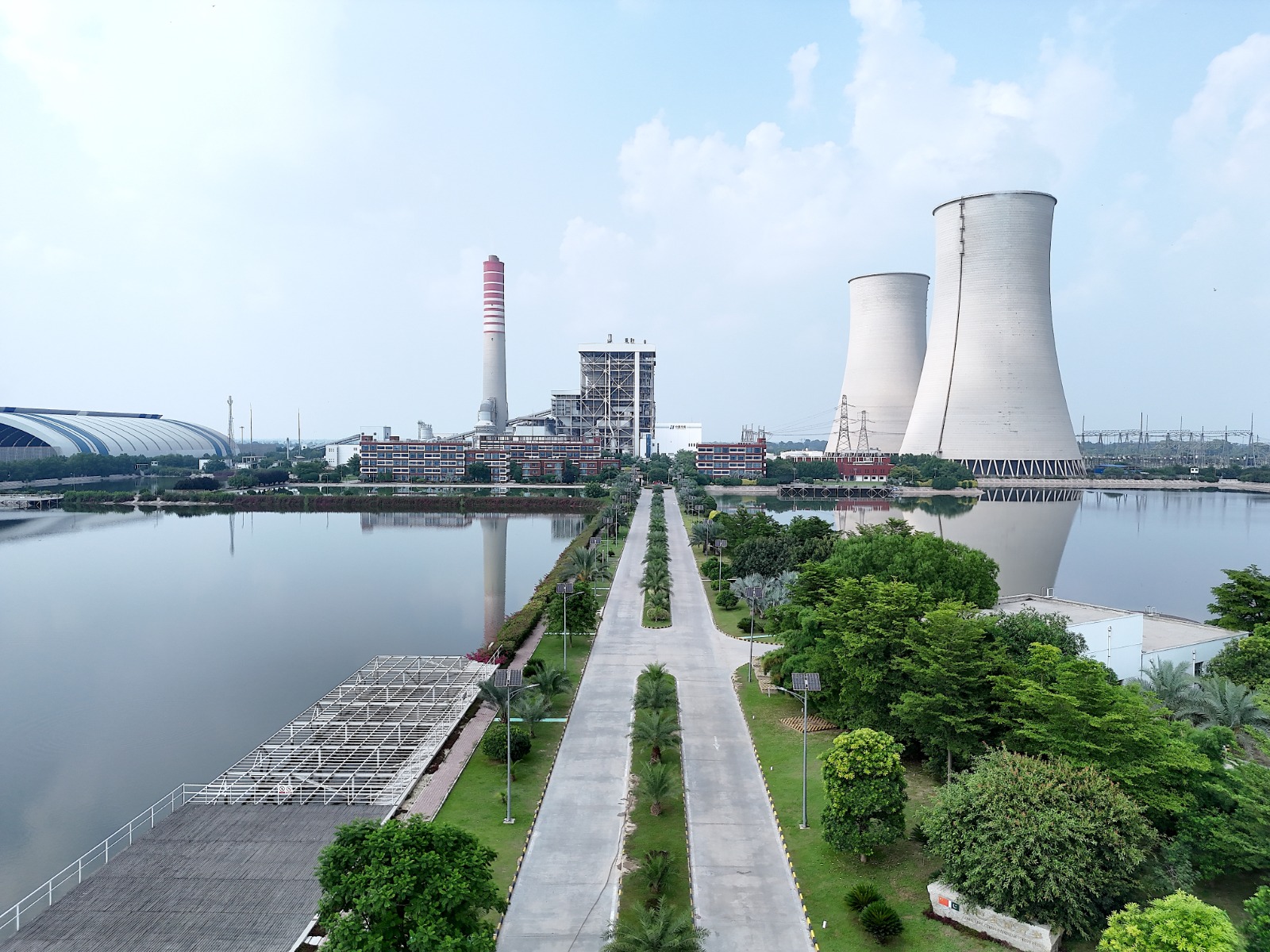
ISLAMABAD (DI NEWS) :The Sahiwal Coal-Fired Power Plant (CFPP), with its 1,320 MW generation capacity, once again proved to be a linchpin in the stability and resilience of Pakistan’s national grid during the summer and monsoon seasons of 2025. As electricity demand surged due to unprecedented heatwaves and heavy rainfall events, the plant’s strategic location, robust base-load capability, and technical integration into the national transmission network allowed it to play a vital role in supporting the Independent System & Market Operator (ISMO) in maintaining uninterrupted power delivery across major regions.
During the peak summer months of May to July 2025, Pakistan experienced some of the highest recorded temperatures in recent years. This led to a dramatic spike in electricity consumption, particularly in major urban and agricultural areas within the LESCO, MEPCO, and FESCO jurisdictions. Air conditioning, refrigeration, irrigation pumping, and industrial operations collectively strained the system, pushing daily peak demand to nearly 30,000 MW. In such extreme conditions, where demand routinely exceeded short-term generation forecasts, the national grid was at constant risk of frequency deviations, voltage collapses, and forced load-shedding.
In this high-demand environment, the Sahiwal CFPP operated as a steady anchor for ISMO. Its ability to provide consistent and predictable base-load generation was instrumental in keeping system frequency close to the nominal 50 Hz mark. Frequency stability is one of the most critical indicators of a healthy power system. When multiple other sources particularly hydropower and wind saw fluctuations due to variable inflows and wind speeds, Sahiwal’s reliability acted as a counterbalancing force. The dispatch team at ISMO often leaned on Sahiwal to stabilize grid frequency whenever unexpected load surges or generation drops elsewhere in the system occurred.
Equally important was Sahiwal’s contribution to voltage profile management. The reactive power support from its generators proved critical in stabilizing voltages, especially across southern and central Punjab. Prior to the commissioning of Sahiwal, the voltage profile in many downstream areas suffered due to a lack of reactive power resources. This often led to voltage drops, overloading of distribution transformers, and frequent tripping. In 2025, especially during long afternoons when air-conditioning demand peaked, Sahiwal’s reactive power injection into the 500 kV and 220 kV networks-maintained voltages within acceptable operational limits. This averted potential under-voltage load-shedding and reduced stress on downstream transformers.
Sahiwal’s impact was not limited to generation alone. The power plant’s integration with the national grid, particularly through the Yousafwala 500 kV substation, unlocked efficient power flow to high-demand regions. In past years, transformer banks at Yousafwala were operating below their rated capacities. However, with the operational stability and load dispatch coordination established between Sahiwal and ISMO, these assets were now being utilized optimally. In fact, an additional 600 MVA transformer was added to Yousafwala to accommodate the consistent power being injected from the plant. This led to improved voltage regulation and reduced technical losses in transmission.
Another crucial feature that strengthened grid performance in 2025 was the plant’s connectivity through a bi-directional “in and out” loop at Qadirabad on the 500 kV line between Yousafwala and Lahore. This design allowed ISMO to flexibly reverse the direction of power flows depending on load conditions and supply dynamics. During the summer evenings, when load patterns shifted and generation ramped up from hydel sources in the north, the reverse flow capability helped prevent transmission congestion and balanced the system dynamically. The flexibility offered by this arrangement became particularly important during emergency situations when ISMO had to make split-second decisions to reroute power and avoid cascading failures.
As the summer gave way to the monsoon season, new challenges emerged. Heavy rains, flooding, and lightning strikes often resulted in temporary outages or disruptions in hydropower generation, particularly from northern regions. In several instances, cloud bursts and landslides damaged transmission lines or reduced water availability in key dams. During these events, Sahiwal stepped up to fill the generation gap and helped maintain supply continuity.
Moreover, the enhanced coordination between the plant’s control room and ISMO’s National Power Control Center (NPCC) ensured real-time response to fluctuations in load and generation. Automated generation control (AGC) and fast communication protocols allowed Sahiwal to rapidly adjust output as per the grid requirements. Whether it was ramping up during a sudden voltage dip in southern Punjab or providing frequency support after a wind generation drop in Sindh, the plant’s responsiveness greatly reduced ISMO’s burden during system stress periods.
A noticeable outcome of Sahiwal’s performance in 2025 was the significant reduction in forced load-shedding across MEPCO, LESCO, and parts of GEPCO. Consumers in areas served via the Yousafwala transmission corridor reported fewer interruptions, more consistent voltage, and better service reliability compared to previous years. This improvement was not only a testament to the plant’s technical performance but also a reflection of strategic planning and execution between Huaneng Shandong Ruyi and national grid operators.
In summary, the summer and monsoon seasons of 2025 posed a formidable challenge to Pakistan’s power infrastructure, but the Sahiwal CFPP rose to the occasion. Through its consistent output, voltage and frequency support, transformer optimization, flexible power flow, and rapid response to emergencies, the plant played a decisive role in helping ISMO maintain national grid stability. Its contribution once again affirmed the importance of well-integrated, base-load thermal generation in complementing variable renewable sources and managing peak seasonal stress.




© 2024 – Daily Ittehad. All Rights Reserved.
Developed by Optimaxor