The ongoing Middle East conflict has begun to weigh heavily on Pakistan’s economy, with exports showing a broad-based decline across multiple sectors in recent months.
Pakistan’s exports dropped by 8% during the first nine months of the current fiscal year, falling to $22.74 billion.
The slowdown became more pronounced in March 2026, when domestic exports declined by 14% compared to the same month last year, signaling deepening economic strain linked to global instability.
Food exports take major hit
Food exports have been among the hardest hit sectors. Between July and March, food exports fell by 34% to $3.80 billion.
In March alone, food exports dropped by 29.53%, with volumes recorded at around $406 million — reflecting a decline of approximately $406 million as per official documents.
Pakistan’s agricultural exports showed sharp contractions across key categories. Fruit exports plunged by 44.07% in March, with monthly volumes reported between $8.683 million and a decline of $86.83 million.
Rice exports also dropped by 26.21% during the month, with figures indicating a decline of around $202 million and total exports standing near that level.
Vegetable exports recorded one of the steepest falls, declining by 79.55% in March. Export volumes were reported between $1.84 million and $10.84 million for the month, highlighting severe disruption.
Textile sector shows moderate decline
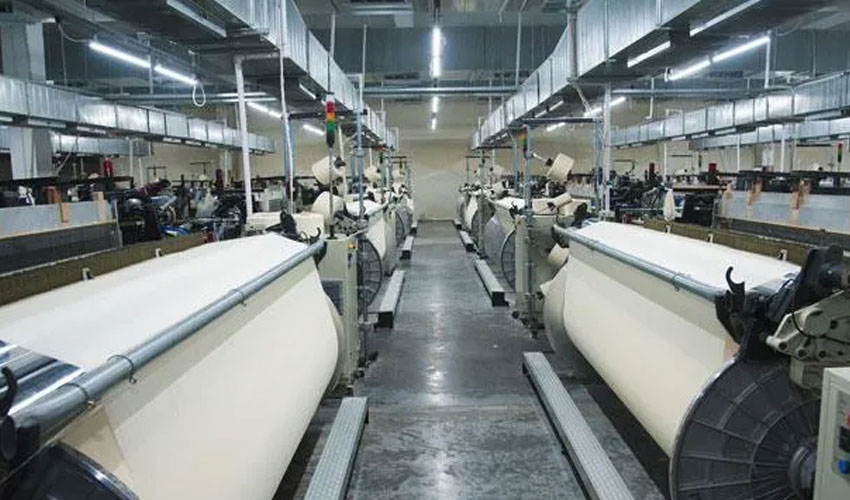
The textile sector, Pakistan’s largest export industry, also experienced a downturn. Textile exports fell by 7.06% in March, with monthly exports recorded at $1.32 billion.
Over the nine-month period, textile exports dipped slightly by 0.50% to $13.54 billion, indicating relative resilience compared to other sectors.
Petroleum, plastics exports collapse
Exports from the petroleum sector saw a record decline of 63.57% in March. Monthly export volumes were reported between $2.47 million and $24.752 million.
Plastic goods exports also dropped sharply by 36.94%, with monthly volumes ranging between $2.63 million and $26.383 million, according to official data.
The impact extended to the jewelry sector as well. Imports of jewelry and ornaments fell by 78.93% in March. Meanwhile, exports in this category remained minimal, with figures reported between $2.8 million and as low as $208,000.
The data underscores how the Middle East war is beginning to disrupt Pakistan’s external trade, particularly through supply chain challenges and reduced global demand.
With multiple sectors facing declines simultaneously, the export slowdown reflects broader economic pressures that may persist if regional instability continues.