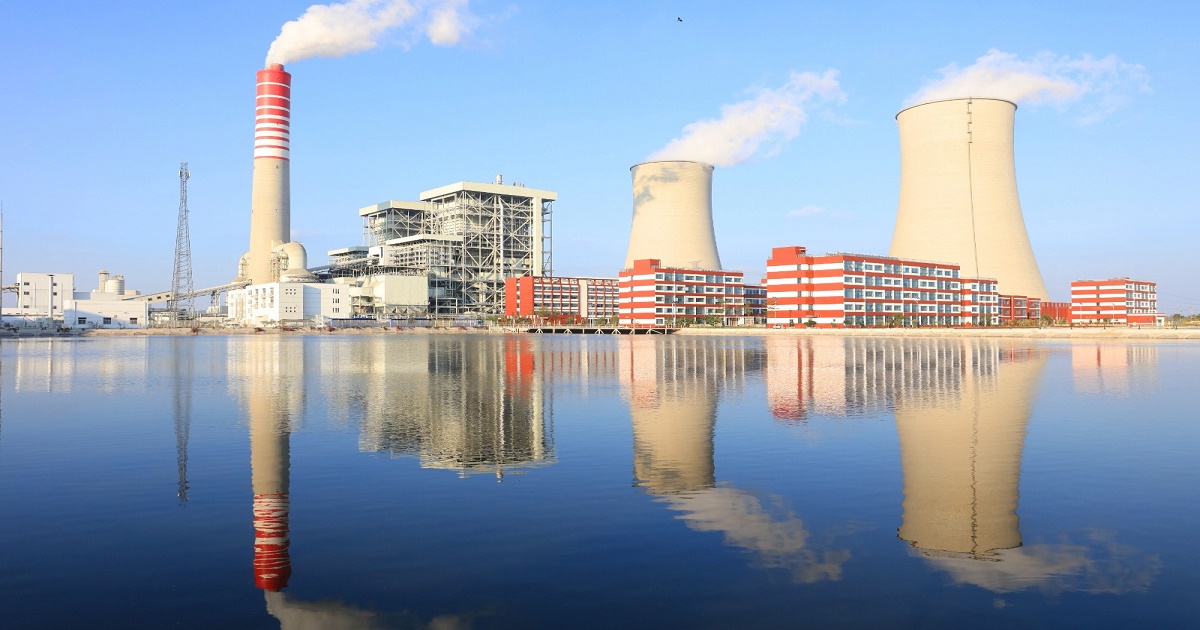
How Sahiwal Power Plant Became a Lifeline During Pakistan’s Recent Flood Crisis
ISLAMABAD (DI NEWS) : In the midst of relentless monsoon rains and devastating floods, the Sahiwal Coal Fired Power Plant quietly stood as an unsung hero. Its two massive 660 MW units tirelessly fed 1,320 MW into the national grid, ensuring that electricity continued to flow when the country needed it the most. As torrents of water swept across northern and central Pakistan, swamping towns, uprooting families, and damaging vital infrastructure, many power sources faltered. Hydropower plants struggled under the weight of rising waters, transmission lines snapped under pressure, and large parts of the country were plunged into darkness. In this chaos, Sahiwal’s steady megawatts acted like a reassuring heartbeat, grounding the national grid and giving rescue teams the power they needed to save lives.
During those catastrophic days, electricity was not just a convenience. It became a lifeline. Hospitals relied on functioning lights and emergency equipment. Rescue vehicles needed fuel pumps to keep operating. Communication devices had to stay charged so emergency updates could be shared and calls for help could be received. In relatively safer areas, uninterrupted electricity meant they could remain operational hubs for relief, rescue coordination, and temporary shelters. From central Punjab to parts of the south, the uninterrupted power supply from Sahiwal helped keep these zones alive and functional.
The plant’s ability to continue running at full capacity even during such a national crisis was not a coincidence. It was the result of strong engineering, reliable equipment, and a deeply embedded culture of responsibility. The Sahiwal Power Plant is directly connected to the Yousafwala 500 kV substation, and through a sophisticated loop system, it plays a vital role in balancing and stabilizing Pakistan’s fragile electricity grid. During the floods, when other sources became unstable or unavailable, Sahiwal’s reliability became the backbone that kept the system from collapsing entirely.
According to recent reports, Sahiwal Power Plant exceeded expectations during its latest capacity test, delivering 1,252.03 MW against a benchmark of 1,243.517 MW during a continuous six-hour full-load run. This wasn’t just a routine achievement. It showed that the plant was more than capable of maintaining output during the most trying of circumstances. When Pakistan was gasping for stable power to aid emergency services, this plant delivered with consistency and precision.
But numbers and machinery only tell part of the story. Behind the reliable operations were real people, engineers, technicians, control room operators, and maintenance crews, many of whom had family members trapped or affected by the very same floods. In some cases, their own homes were under threat or already submerged. Yet, they showed up. They stayed on shift. They chose duty, not because they were obligated, but because they understood what was at stake. While their hearts may have been miles away with loved ones caught in the disaster, their minds stayed focused on the task at hand. Every dial turned, every system monitored, every contingency plan activated was done with a silent strength that only true professionals show during a crisis.
There are no headlines about these individuals. No social media posts or viral videos captured their work. But it is because of their steady hands and determined hearts that the grid remained alive. Power flowing to flooded hospitals, to rescue camps, to remote villages where pumps were needed to drain water or to run essential equipment all of this was made possible by the unwavering effort of the Sahiwal plant team. Their service was quiet, but its impact was loud.
Commissioned in 2017, the Sahiwal Power Plant was Pakistan’s first supercritical coal-fired plant under the China-Pakistan Economic Corridor (CPEC). It was built in just 22 months and has since been a key contributor to the country’s energy mix. It has operated efficiently, with high environmental safety standards like flue gas desulfurization, electrostatic precipitators, and zero-liquid discharge systems. It is not just a power plant. It is a symbol of what timely infrastructure, proper maintenance, and committed personnel can accomplish.
During the floods, many other regions in the country suffered power outages. Some areas went days without electricity. The national grid was under immense stress, and demand from emergency services surged. Sahiwal became the anchor in these difficult times. By continuously supplying electricity, it allowed the grid to remain stable enough to reroute and prioritize power to areas that needed it most. Relief camps needed cooling systems in extreme humidity. Communication towers had to stay powered. Water filtration plants had to keep running to prevent disease outbreaks. In each of these cases, electricity was not optional it was essential. And Sahiwal made sure it was there. What makes this even more remarkable is the human cost. Some of the plant’s staff had to make heartbreaking decisions. Stay on duty while not knowing the full situation of their families. Sleep in the plant facility instead of going home to check on their villages.
In the aftermath of the floods, as waters began to recede, the work did not stop. Electricity remained essential for rebuilding efforts. Power tools, construction sites, mobile medical units all required a steady supply. Sahiwal continued to deliver without disruption, giving communities a fighting chance to recover faster. It allowed less-affected areas to absorb displaced families, operate schools and clinics, and keep businesses running where possible.
The story of the Sahiwal Power Plant during this crisis is a testament to what can happen when infrastructure is built well, managed properly, and staffed by people who care deeply about their role in society. It reminds us that sometimes heroes don’t wear uniforms or give press conferences. Sometimes they wear safety helmets, stand next to massive turbines, and quietly keep the lights on when the whole world seems to be falling apart. When the floodwaters rise and everything feels uncertain, it is the steady pulse of electricity that offers hope. And for Pakistan during this latest disaster, that pulse came from Sahiwal.