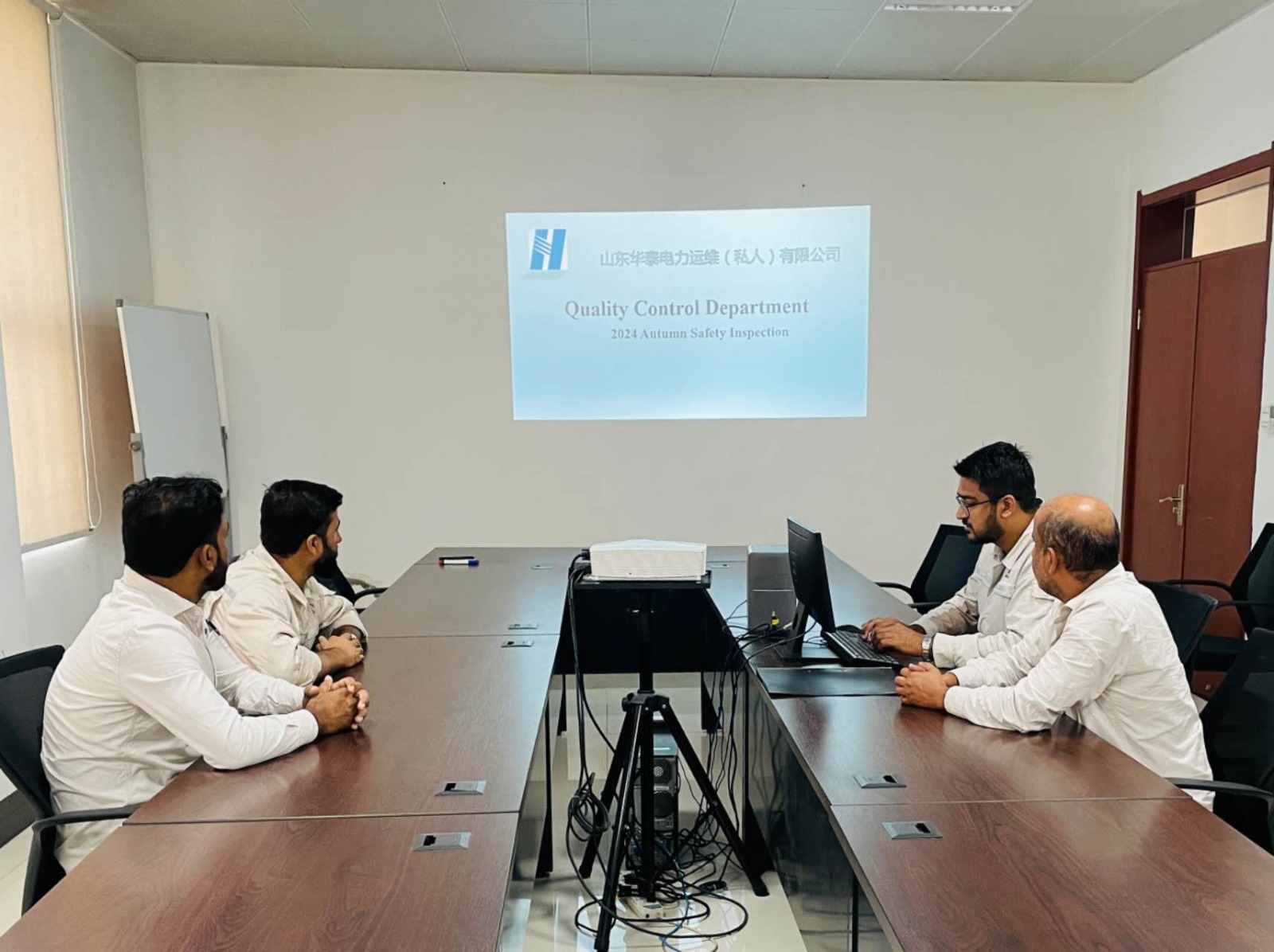
ISLAMABAD (DI NEWS) : At 1320MW Sahiwal Coal Power Plant, the Quality Control Department (QCD) plays a critical role in ensuring that all equipment, systems, and processes meet the required standards of quality, performance, and safety. The department ensures that the plant operates efficiently and safely, minimizing downtime, avoiding failures, and adhering to regulatory requirements. Below are key functions and responsibilities of a QCD Department in Sahiwal Coal Power Plant.
The QCD department evaluates the quality of raw materials and testing equipment before they are used in plant maintenance, or upgrades. This includes verifying certifications, conducting tests of various chemicals and ensuring that materials meet industry standards. Regular testing and calibration of Coal, Water and Oil instruments are conducted to ensure accurate readings and efficient operation. The team ensures the proper functioning and calibration of critical equipment, including analyzers, chromatographs, spectrometers.
For Coal, they monitor quality and consistency, ensuring the correct grade and moisture content so that relevant personnel can optimize combustion ratio in order to reduce emissions and enhance efficiency. The team also focuses on testing various types of water, which helps preventing scaling, corrosion, or fouling, while also maintaining water quality for processes like cooling and steam generation. For Oil testing, QCD team monitors fuel quality and recommends the relevant department of any major issues, such as particle contamination, moisture or viscosity problems, which helps to prevent the deterioration of oil and wear& tear of relevant equipment and maintain smooth operation. Through these efforts, the QCD team enhances overall efficiency, mitigates operational risks, and ensures cost-effective plant performance.
The responsibilities of the QCD team extend across multiple areas to ensure smooth operations from pre to post startup.
Pre-Startup: The QCD team develops quality protocols, ensures equipment calibration and validation, and conducts initial tests and sampling to ensure readiness and compliance with standards.
During Startup: Team monitors and perform real-time testing of fuel, water, and oil to ensure smooth operation and regulatory compliance.
Post-Startup: The team evaluates performance, conducts further testing, ensuring long-term reliability, while maintaining ongoing quality standards. Overall, the QCD team’s efforts during a power plant startup ensure that the plant achieves a successful, safe, and efficient transition from standby or maintenance state to operational state.
The QCD team ensures that inspections and upgradations during maintenance or shutdowns meet quality standards and enhance plant performance. During unit overhaul, they monitor key equipment such as heat exchangers, deaerators, cooling tower pipes, and condensers for signs of fouling or corrosion. Additionally, scaling tests are conducted on pipes to evaluate mineral buildup—such as calcium carbonate or silica—which can obstruct fluid flow and reduce system efficiency.
The 1320MW Sahiwal Plant adheres to local, national, and international standards to ensure high levels of safety, environmental protection, and operational efficiency. This includes compliance with GB standards (Chinese national standards), EPA and ISO standards, as well as other relevant regulations. These standards guide the plant’s design, construction, and operations, ensuring that it meets stringent requirements for performance, safety, emissions, and sustainability. By following these frameworks, the plant operates in alignment with best industrial practices.
The Quality Control Department is essential for maintaining operational integrity, ensuring the personnel and public safety, meeting regulatory requirements, and enhancing the overall performance and reliability of the power generation process. Through rigorous inspections, testing, documentation, and continuous improvement initiatives, QCD helps prevent costly downtime, improve efficiency, and extend the lifespan of critical equipment.