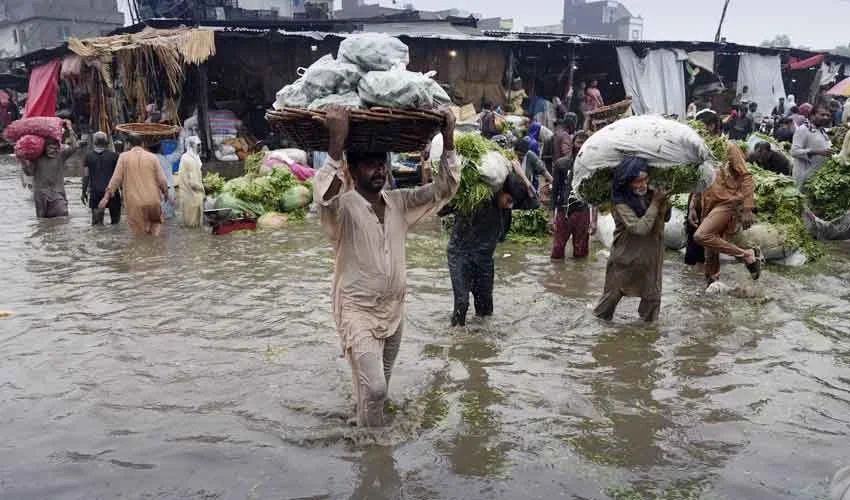
The European Union has announced a fresh three million euros aid package for flood-affected areas of Punjab, pledging financial assistance to families and support for ongoing reconstruction and rehabilitation efforts.
The latest aid comes as Pakistan continues to recover from one of its most damaging monsoon seasons in recent years.
In its statement, the EU said the new funding will be used to provide financial assistance directly to flood-hit families, helping them rebuild homes and livelihoods disrupted by weeks of heavy rainfall.
The aid is also aimed at accelerating reconstruction and rehabilitation measures, especially in the worst-hit districts of Punjab where infrastructure and housing suffered extensive damage.
EU’s earlier €1.5m support for health and sanitation
The European Union noted that this is in addition to the €1.5 million provided in September, which focused on health services, clean drinking water, and sanitation efforts for communities affected by the monsoon rains.
That earlier funding targeted emergency medical care, safe water access, and disease prevention in crowded temporary shelters.
According to the EU, seven million people were affected by this year’s monsoon rains across Pakistan. The flooding displaced approximately 2.9 million people, leaving countless families without shelter, food security, or access to essential services.
The scale of destruction was vast with 1,000 people losing their lives, over 200,000 houses destroyed, and agriculture suffering major, widespread damage.
The EU highlighted that Pakistan’s agricultural sector — already vulnerable to climate shocks — has faced significant losses due to submerged crops, damaged farmland, and disrupted supply chains.
Rehabilitation still underway
The aid announcement underscores the EU’s continued humanitarian engagement in Pakistan as the country works to rebuild homes, restore services, and stabilize agricultural output.
Officials say more support may be needed as assessments of the long-term economic and social impact continue.