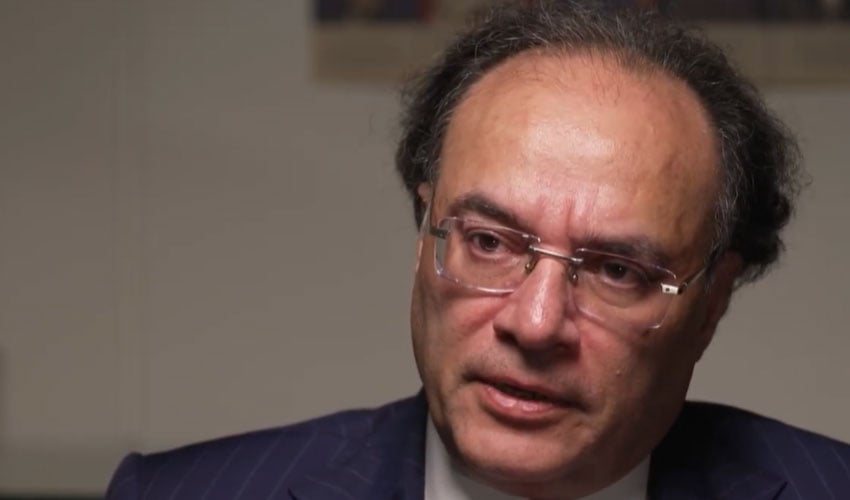
Pakistan expects to receive $1.2 billion from the IMF and achieve 3.5% economic growth this fiscal year, Finance Minister Muhammad Aurangzeb said, citing progress in reforms and global recognition of the country’s economic stability.
Finance Minister Aurangzeb told CGTN America that Pakistan’s economy is showing signs of recovery, with inflation falling to single digits and monetary policy easing. He confirmed that a staff-level agreement with the IMF has been reached, granting Pakistan access to $1.2 billion once approved by the fund.
Aurangzeb highlighted that IMF assistance in September 2024 helped stabilize Pakistan’s $370 billion economy and contributed to currency stabilization.
GDP growth and flood impact
The minister said Pakistan’s GDP grew by 3% last year, with an original target of over 4% for the current fiscal year. “Recent floods may shave off some growth, but we remain hopeful of achieving around 3.5%,” he added, emphasizing ongoing recovery measures in agriculture and other sectors affected by natural disasters.
Aurangzeb called climate change an “existential issue” for Pakistan, citing repeated flooding events that impact major crops such as rice and cotton.
Progress in CPEC phase two
The Finance Minister underscored the success of the second phase of the China-Pakistan Economic Corridor (CPEC), with 24 joint venture agreements recently signed in Beijing.
Phase two focuses on monetizing infrastructure through private sector investments in minerals, agriculture, IT, AI, and pharmaceuticals.
He cited the example of a truck tire manufacturing joint venture that now exports 80% of its products and may list on the Hong Kong Stock Exchange.
Structural reforms and privatisation
Aurangzeb noted progress in structural reforms, including taxation, energy, and public finance, with privatization efforts advancing.
“This fiscal year, the first bank on the privatization list has been successfully handed over, and Pakistan’s national airline is expected to be privatized before year-end,” he said.
The minister also highlighted access to commercial markets, including Middle Eastern bank borrowing and plans to issue an inaugural Panda bond.
Digital economy and technology integration
Digital transformation remains a priority, with initiatives aimed at documenting cash transactions, improving tax collection, and enhancing government payment systems.
Aurangzeb emphasized the role of AI, CRM, and data analytics in increasing Pakistan’s tax-to-GDP ratio from 8.8% to 10.2%.
Pakistan has successfully negotiated tariff agreements with the United States, benefiting textile exporters, particularly in home textiles. Aurangzeb noted that global trade challenges, including U.S. tariffs, present opportunities for Pakistan to diversify partnerships, including engagements with Central Asian countries.