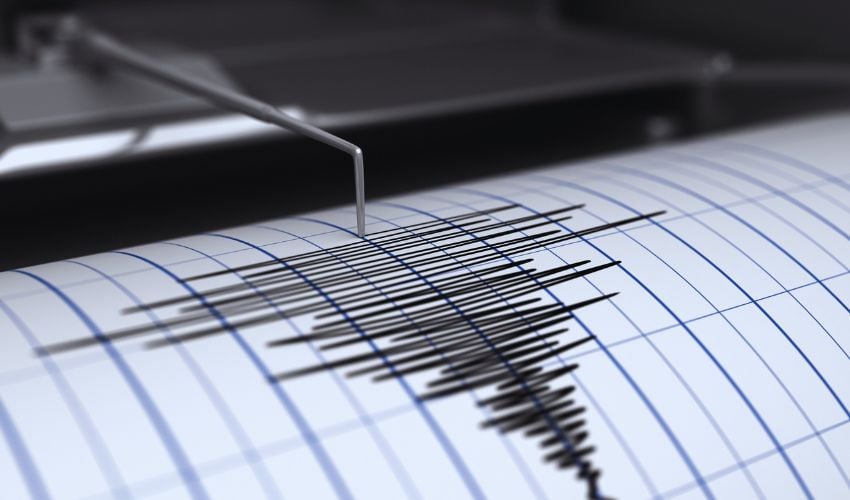
A powerful 6.0 magnitude earthquake struck eastern Afghanistan late Sunday night, killing at least 500 people and injuring 1000 across multiple districts in Kunar and Nangarhar provinces, officials confirmed on Monday.
The United States Geological Survey (USGS) reported the quake hit at 11:47 pm local time with a shallow depth of only 8 kilometers. Its epicenter was 27 kilometers east of Jalalabad in Nangarhar province.
The tremors were felt in Kabul, across northern Pakistan — including Islamabad, Punjab, and Khyber Pakhtunkhwa — and as far as India, sparking widespread panic as residents rushed outdoors.
Afghanistan’s state-run Bakhtar News Agency confirmed at least 250 deaths and 500 injuries, with officials warning that the toll could rise as rescue teams reach remote mountainous villages.
In Kunar, one of the hardest-hit provinces, entire mud-and-stone houses collapsed, leaving families trapped under rubble. “Whole villages have been flattened,” a local resident said, describing the devastation. Landslides triggered by the quake also blocked key access routes, severely hampering relief operations.
Taliban government urges international assistance
Taliban spokesman Zabihullah Mujahid said in a statement that the quake had caused “severe loss of life and property,” adding that local authorities and Taliban relief teams were working on the ground.
He appealed to international aid organizations to provide urgent medical supplies, tents, and rescue equipment. Helicopters have been dispatched from Nangarhar Airport to airlift the injured to Kabul and nearby hospitals.
Aftershocks and fear grip survivors
Residents in Nangarhar reported at least 13 aftershocks through the night, forcing families to remain outdoors in fear of further collapses. Many spent hours in the open as emergency crews struggled to reach villages cut off by blocked roads.
Al Jazeera’s Kamal Hyder, reporting from Pakistan, said communication lines in Kunar were down, adding: “This is a poor, mountainous region where houses made of mud and stone cannot withstand shallow earthquakes. The timing — late at night — made the disaster even deadlier.”
Seismologists highlight that eastern Afghanistan lies along the collision zone of the Indian and Eurasian tectonic plates. Chris Elders, professor of earth sciences at Curtin University, noted that the region’s steep terrain makes it highly vulnerable to landslides after quakes.
“It’s not only the buildings that become unstable, but the hillsides as well. That’s what makes earthquakes here so destructive,” he said.
Rescue operations continue under difficult conditions
Military helicopters and rescue teams are intensifying operations to evacuate the injured and deliver aid. But with landslides blocking mountain passes and communications disrupted, officials warn that the full scale of the devastation may take days to assess.
For now, Afghanistan’s interim government has renewed calls for global humanitarian support as it struggles to respond to one of the deadliest earthquakes to hit the country in recent years.