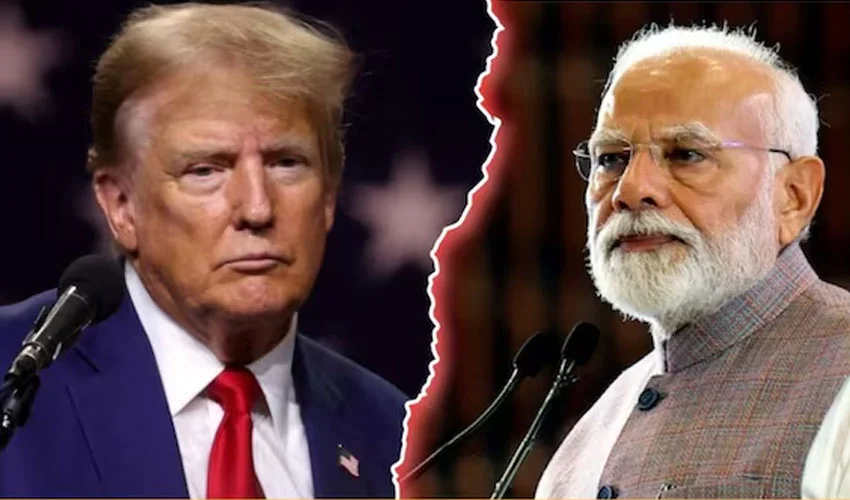
Indian exporters are preparing for a sharp drop in U.S. orders as Washington’s steep new tariffs on Indian goods take effect from Wednesday, following the collapse of trade talks between the two nations.
The U.S. Department of Homeland Security confirmed that an additional 25% duty will be applied, pushing total tariffs on Indian goods to as high as 50%—among the highest imposed by Washington. The move comes in retaliation for India’s increased purchases of Russian oil.
Five rounds of talks failed to reach a compromise, despite Indian officials signaling optimism for a tariff cap at 15%. Both governments later blamed “political misjudgment” and missed signals for the collapse of negotiations.
Indian exporters fear major hit
The new tariffs are expected to affect nearly 55% of India’s $87 billion in exports to the U.S., hurting industries ranging from textiles and food products to leather, gems and jewellery.
“The U.S. customers have already stopped new orders,” said Pankaj Chadha, president of the Engineering Exports Promotion Council. He warned that shipments could fall 20–30% from September onward.
The government has promised relief measures, including subsidies on bank loans and support for diversification into markets like China, Latin America and the Middle East. However, exporters remain cautious, citing limited alternatives.
Broader economic impact on india
The Indian rupee dropped to a three-week low of 87.68 against the dollar, while benchmark indexes fell 1% each, their steepest decline in three months.
Analysts warned that prolonged 50% tariffs could weigh on India’s economy and corporate profits. Capital Economics estimated that U.S. duties could cut 0.8 percentage points from India’s economic growth this year and next.
India’s diamond industry—already struggling with weak Chinese demand—faces additional strain, with U.S. buyers accounting for nearly one-third of its $28.5 billion in annual gem and jewellery exports.
U.S. officials, including Treasury Secretary Scott Bessent, accused India of “profiteering” from Russian oil, which now makes up 42% of its total imports, compared to less than 1% before the Ukraine war.
Despite the standoff, both governments issued joint statements this week reaffirming their commitment to defense cooperation, energy security, and the Quad alliance with Japan and Australia.
Foreign Minister S. Jaishankar defended India’s position, pointing out that Washington has not applied similar pressure on other major buyers of Russian oil, including China and the EU.
Meanwhile, Prime Minister Narendra Modi vowed not to compromise farmers’ interests and is expected to visit China later this month for the first time in seven years.