Pakistan has reiterated its commitment to promoting peace, dialogue, and diplomacy in the region amid tensions between the United States and Iran.
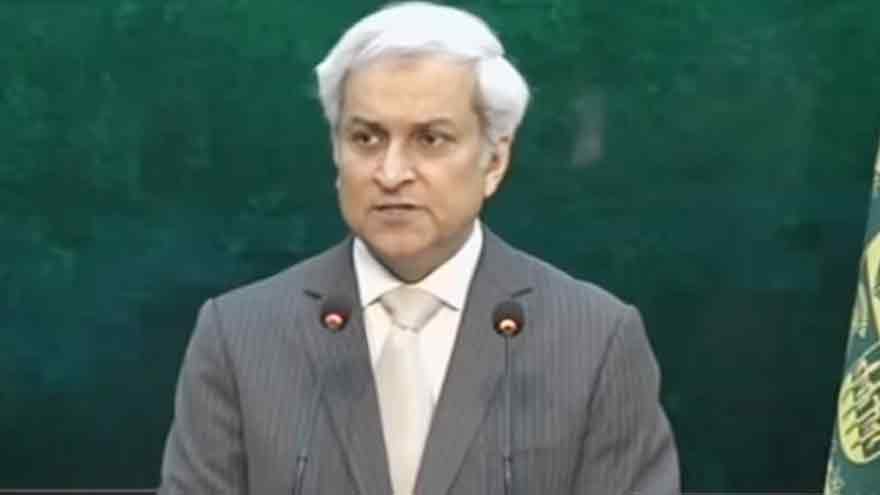
Foreign Office spokesperson Tahir Hussain Andrabi stated that Pakistan’s diplomatic engagement remained active and constructive in support of de-escalation and possible negotiations.
Speaking at the weekly press briefing, Andrabi emphasized that Pakistan respected the principles of sovereignty and equality of all nations and believes that lasting regional peace can only be achieved through dialogue and diplomacy.
He noted that Pakistan maintained close communication with regional and global leaders, including China, which has praised Islamabad’s constructive role and highlighted the importance of a sustainable ceasefire and ongoing negotiations.
Addressing reports in international media, Andrabi dismissed claims regarding Iranian aircraft in Pakistan and clarified the timing of statements following US Senator Lindsey Graham’s remarks, asserting that Pakistan’s official position reflects the real situation.
The spokesperson reaffirmed Pakistan’s mediator role, stressing that diplomatic contacts with all parties continue, including the ongoing US-Iran peace process. He expressed optimism about progress, noting that Iran remains engaged in discussions with the United States.
On regional developments, Andrabi said voices calling for negotiations in India are a positive sign, and Pakistan awaited a constructive response from the Indian government. He clarified that Islamabad is not aware of any “track-two” or back-channel contacts with India.
Recent diplomatic interactions include Prime Minister Muhammad Shehbaz Sharif’s phone calls with leaders of Qatar and Azerbaijan, discussing regional security and peace initiatives. Additionally, Pakistan’s Foreign Minister and Deputy Prime Minister, Senator Muhammad Ishaq Dar, held meetings with the UN Secretary-General’s Special Representative for the Middle East, receiving recognition for Pakistan’s diplomatic efforts.
Andrabi highlighted several recent conversations with international counterparts, including the foreign ministers of Singapore, Saudi Arabia, and Austria, focusing on the return of Pakistani and Iranian personnel, regional stability, and support for Pakistan’s facilitation of potential U.S.-Iran negotiations.
He concluded by stressing Pakistan’s continued engagement with all partners to promote regional peace, maritime security, and stronger diplomatic ties.