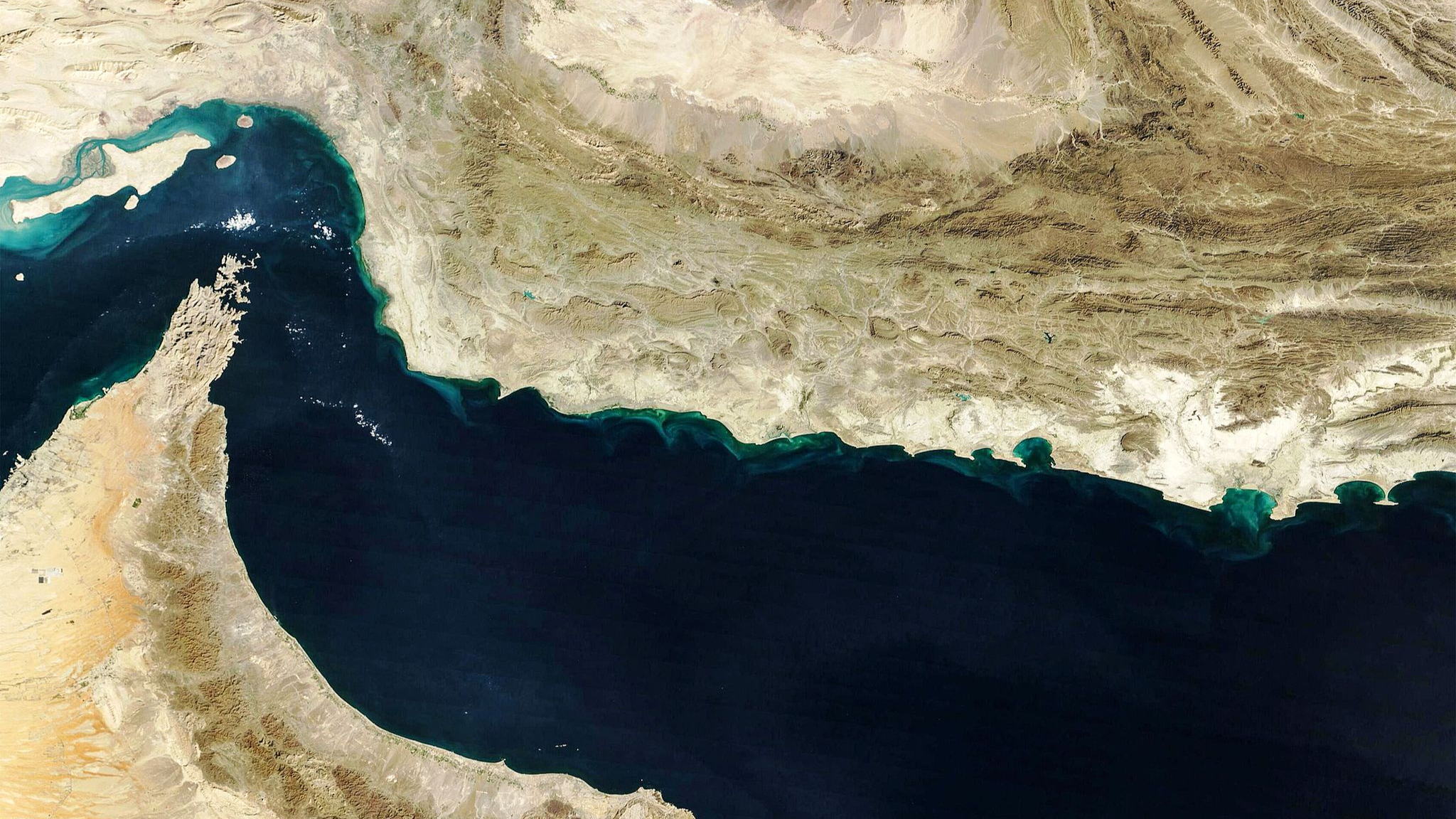
China on Monday urged restraint and a swift ceasefire as tensions surrounding the Strait of Hormuz escalated following US remarks about blocking vessels linked to Iran.
At a regular press briefing, Chinese Foreign Ministry spokesperson Guo Jiakun responded to a query about US President Donald Trump announcing on Sunday that the US Navy would begin blocking ships trying to enter or leave the Strait of Hormuz, after peace talks with Iran failed to produce a deal.
Guo said the Strait of Hormuz is a vital international corridor for trade and energy transportation. Safeguarding the security, stability, and unimpeded passage in the Strait of Hormuz serves the common interests of the international community. He noted that disruptions to navigation in the strait stem from the ongoing US-Iran conflict, stressing that the way forward lies in achieving a ceasefire as soon as possible. All parties should remain calm and exercise restraint, he added, noting that China stands ready to continue playing a constructive role.
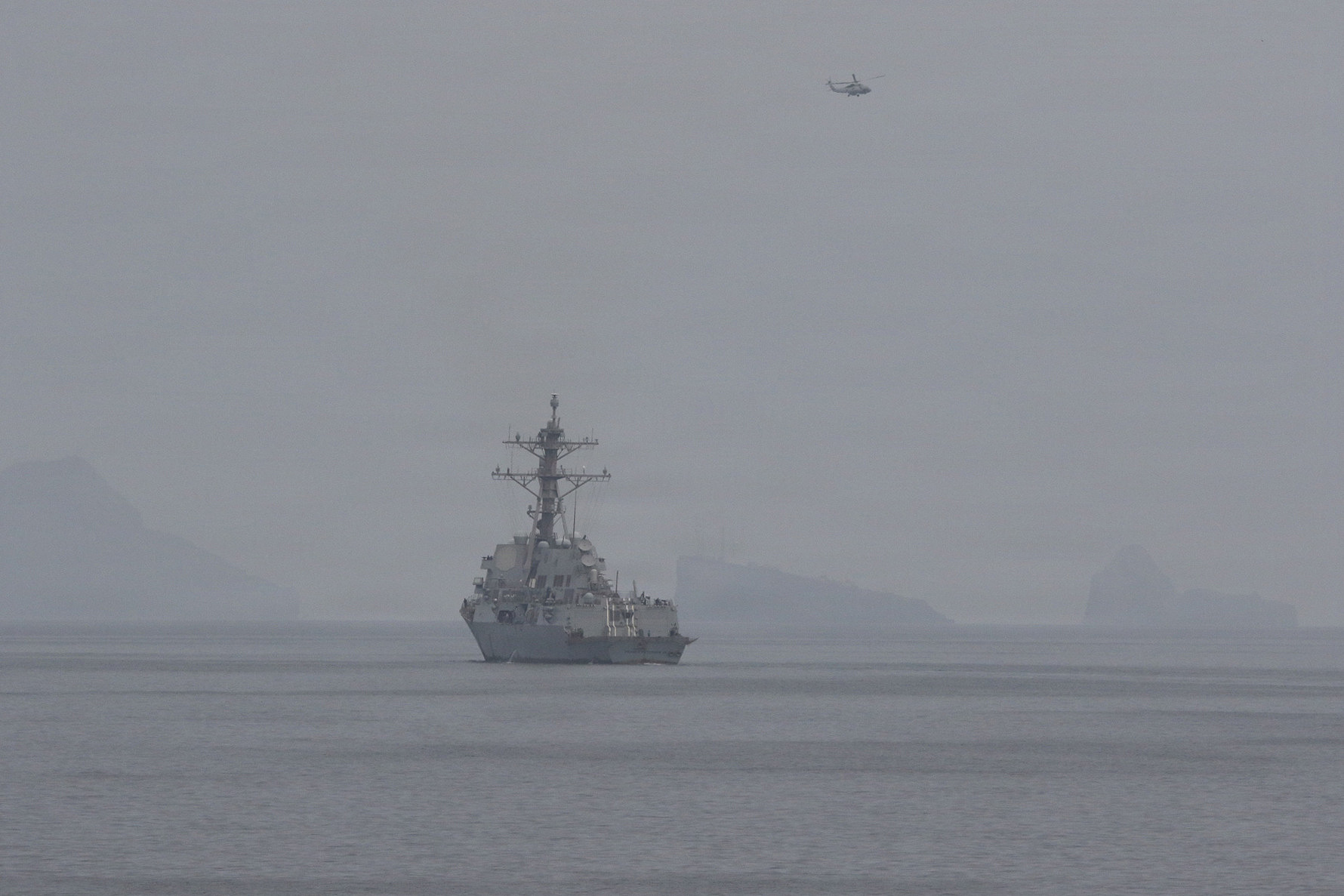
US Central Command (CENTCOM) forces began setting conditions for clearing mines that had been placed by Iran’s Islamic Revolutionary Guard Corps in the Strait of Hormuz, April 11, 2026. /VCG
Reactions from relevant parties
Iran strongly condemned the US move, saying restrictions on maritime navigation in international waters violate international law and constitute piracy, according to a statement from the Khatam al-Anbiya Central Headquarters, the unified command of the Iranian armed forces.
British Prime Minister Keir Starmer said on Monday that the United Kingdom would not be drawn into the conflict and does not support any blockade of the strait. He emphasized that efforts should focus on ensuring the waterway remains open.
“It is, in my view, vital that we get the strait open and fully open, and that’s where we’ve put all of our efforts in the last few, and we’ll continue to do so,” Starmer told BBC Radio 5 Live.
Echoing Starmer, French President Emmanuel Macron on Monday confirmed that they will soon organize with Britain a conference aimed at restoring freedom of navigation on the Strait of Hormuz, adding that any such naval mission would be done on a strictly defensive basis only.
Spain also voiced opposition, saying a blockade of the strait “makes no sense,” underscoring broader European concerns about the global economic impact of disrupted shipping routes.
Diplomatic efforts and next steps
Amid mounting tensions, diplomatic efforts are underway to prevent a further deterioration of the situation. According to a report by The Wall Street Journal, mediators are working to arrange another round of US-Iran talks within days, after earlier negotiations in Islamabad ended without agreement.
Key sticking points include whether the Strait of Hormuz can be reopened without transit fees, the future of Iran’s stockpile of highly enriched uranium, and Tehran’s demand for the release of about $27 billion in frozen revenues.
Pakistani authorities, who hosted the initial talks, are reportedly in close contact with both sides in a bid to revive dialogue before a fragile ceasefire deadline on April 22. While no breakthrough has been reached, mediators remain cautiously optimistic that continued engagement could help avert a return to open conflict.