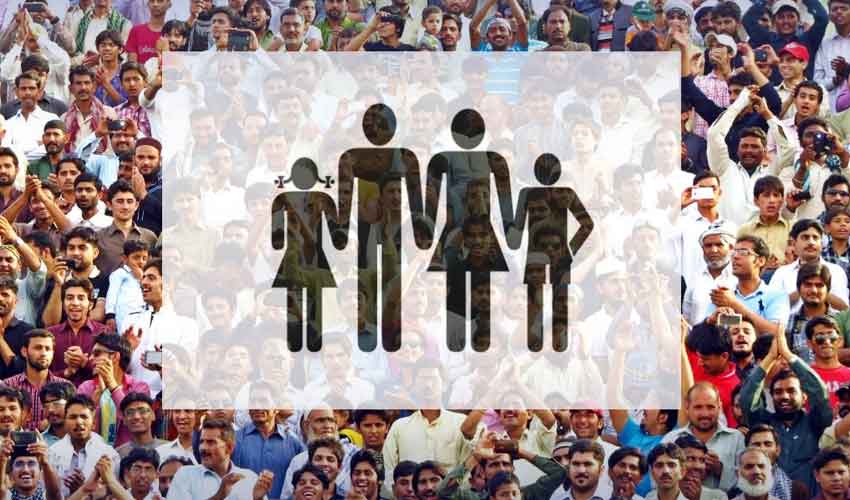
The Council of Islamic Ideology (CII) has declared that appropriate spacing between births is essential for the health and well-being of both mothers and children in Pakistan.
The announcement came during a high-level consultative meeting between the CII and the Population Council. The gathering aimed to address growing concerns about maternal and child health, population management, and the equitable distribution of resources.
Citing alarming health statistics, the population council revealed that 11,000 women die each year in Pakistan due to complications during pregnancy and childbirth — the highest maternal mortality rate among Islamic nations, including Indonesia, Bangladesh, Malaysia, Iran, Kuwait, and Saudi Arabia.
Children in Pakistan also face a critical health crisis. According to the population council:
- 62 out of every 1,000 children die before reaching their first birthday
- 40% of children under five years old are stunted, meaning they are not the appropriate height for their age
- 18% suffer from malnutrition
- 29% are underweight
- Every third child is out of school
The council emphasized that these figures underscore the urgent need for family planning measures that align with both Islamic teachings and medical science.
Religious scholars present at the meeting were urged to educate the public about the importance of breastfeeding for two years, as prescribed in the Quran, and the benefits of birth spacing for the physical and emotional well-being of mothers and their children.
“Spacing between births not only allows the mother to regain her strength but also gives children a better chance at healthy growth and development,” said a spokesperson for the population council. “It also significantly reduces maternal and infant mortality rates.”
The Islamic council has reaffirmed that such guidance is fully consistent with Islamic principles, encouraging scholars and community leaders to actively promote awareness on this issue across the country.
The meeting concluded with a joint commitment to advocate for improved reproductive health, education, and resource allocation to build a healthier future for Pakistan’s families.