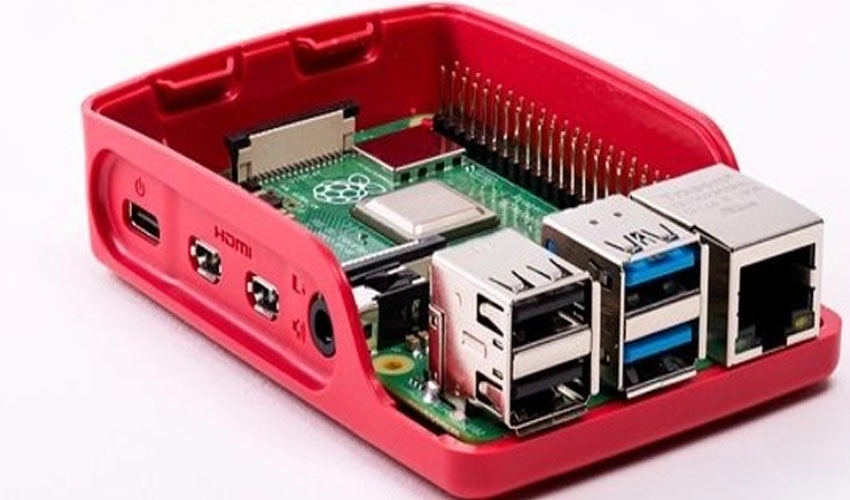
The global shortage of memory chips, fueled by surging demand from artificial intelligence systems, is now hitting hobbyist hardware. Raspberry Pi has announced another round of price increases, marking its second hike in just two months.
The ongoing AI-fueled shortage of memory and storage chips has already driven up prices for PC RAM kits and SSDs. Experts warn that the pressure is now spilling over to other products that rely on the same components.
As a result, price increases are expected to continue throughout the rest of the year—and possibly longer.
Raspberry Pi CEO Eben Upton confirmed on Monday that the company is raising prices on most of its single-board computers. This marks the second increase in just two months.
The hikes apply to Raspberry Pi 4 and Raspberry Pi 5 models equipped with 2GB or more of LPDDR4 RAM, including the Compute Module 4, Compute Module 5, and the Raspberry Pi 500 computer-inside-a-keyboard.
How much prices are increasing
The new pricing structure reflects sharp jumps depending on memory size:
2GB models: up by $10
4GB models: up by $15
8GB models: up by $30
16GB models: up by $60
Following these changes, the 16GB Raspberry Pi 5 now costs $205, while the 8GB Pi 4 and Pi 5 models are priced at $125 and $135, respectively.
Earlier increases already added pressure
These latest hikes stack on top of earlier increases introduced in December, when most Pi 4 and Pi 5 models saw price jumps of $5 to $15.
Additional, smaller increases were also applied to select models in early October, compounding the overall cost increase for buyers.
Not all Raspberry Pi products are impacted by the latest changes. Pricing for the 1GB versions of the Pi 4 and Pi 5 remains unchanged, continuing at $35 and $45, respectively.
The Raspberry Pi 400 computer will also retain its current price. Older models using LPDDR2 memory, such as the Pi 3 and Pi Zero, will remain available at their existing prices.
Raspberry Pi’s value proposition
Raspberry Pi originally gained popularity by offering a full, tinkerer-friendly computer for just $35. Over time, its appeal has expanded thanks to a robust ecosystem of operating systems, applications, and scripts.
However, as prices rise, alternatives such as low-cost x86 mini PCs or used computers are becoming more attractive. During previous shortages in 2022 and 2023, many users turned to old thin client PCs for similar hobby and appliance-style projects.
Upton emphasized that the price hikes are not permanent. He said Raspberry Pi plans to lower prices again once memory costs stabilize.
“The current situation is ultimately a temporary one,” Upton wrote, adding that the company looks forward to reversing the increases when market conditions improve.