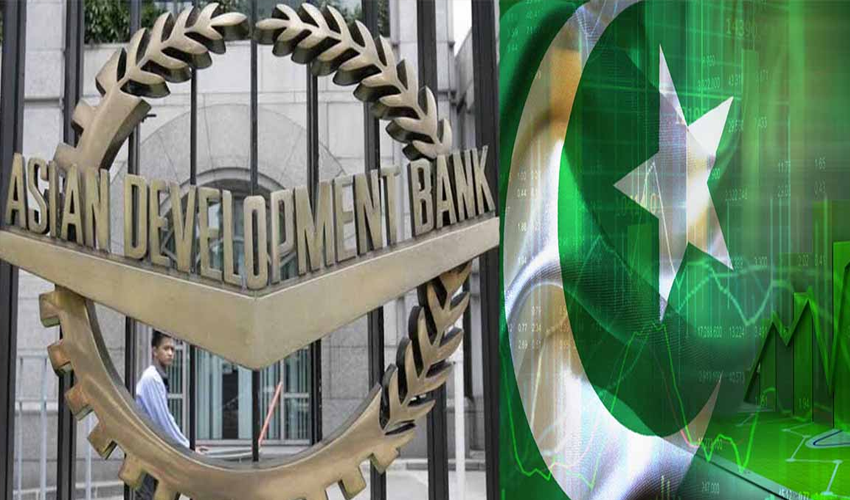
The Asian Development Bank (ADB) has projected that Pakistan’s economy will gradually improve, forecasting GDP growth of 3% in 2025-26.
The latest Asian Development Outlook report highlights progress in reforms under the IMF program but also cautions about persistent inflation, structural bottlenecks, and risks from natural disasters.
According to the ADB, Pakistan’s government has set a more ambitious growth target of 4.2% for the current year. However, recurrent floods and natural disasters are likely to hinder momentum by disrupting supply chains and damaging agricultural land and infrastructure.
The ADB expects gradual improvement in foreign exchange reserves and investment inflows, adding that medium-term growth prospects remain positive if reforms continue.
Inflation and monetary policy
Inflation is projected to rise by an average of 6% this year. The ADB attributes this to rising gas tariffs, supply chain disruptions, and expected increases in food prices caused by recent floods.
To manage these pressures, the State Bank of Pakistan is expected to adopt a cautious monetary policy stance aimed at controlling inflation while supporting growth.
Structural challenges and reforms
While the economy shows signs of recovery, the report underscores that Pakistan still faces significant structural challenges. These include vulnerability to natural disasters, reliance on imports, and limited fiscal space.
ADB Country Director Emma Fan stressed that consistent reforms and policy implementation are crucial to maintaining economic momentum and investor confidence. She added that trade agreements, including the recent US-Pakistan deal, are likely to boost business sentiment.
Flood-related damages will weigh on agriculture and infrastructure, slowing overall growth. However, budgetary incentives for the construction sector are expected to cushion some of these losses and help maintain employment in urban areas.