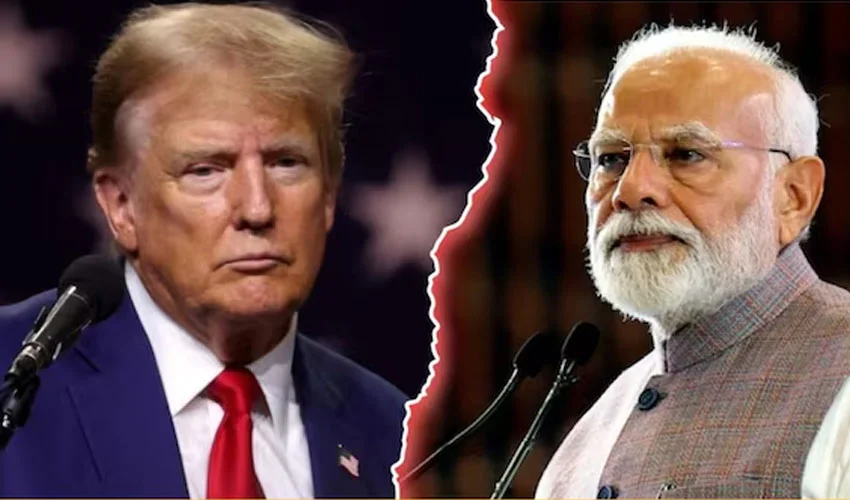
The United States has told India that reducing its purchases of Russian oil is crucial for progress on a long-awaited trade deal, even as New Delhi defended the imports as economically essential, according to people familiar with the talks.
Trade negotiations between Washington and New Delhi are “on a positive track,” a US official said, but added that India must do more to address concerns over market access, the trade deficit, and discounted Russian crude.
President Donald Trump has made curbing Russian oil purchases a central demand of his foreign policy. He has urged India, the European Union, and NATO allies to scale back their imports, saying the revenue fuels Moscow’s war in Ukraine.
Tariffs used as pressure
The Trump administration has tied progress on trade directly to India’s stance on Russian oil. Washington recently imposed an additional 25% tariff on Indian imports, raising total punitive duties to 50%.
The move has soured trade talks but also underlined Trump’s willingness to use tariffs as leverage. At the same time, the administration has refrained from similar action against China, despite Beijing being one of the largest buyers of Russian oil, as it manages a fragile trade truce with the world’s second-largest economy.
India pushes back
India, along with China, remains one of the top importers of Russian crude. Officials in New Delhi have consistently defended the purchases, stressing their economic necessity.
Indian representatives argue that Western nations themselves continue trading with Moscow despite sanctions, calling criticism of New Delhi’s imports hypocritical.
Stalemate over Ukraine war
Trump has voiced frustration at the slow pace of ending Russia’s war in Ukraine, which he vowed to resolve on his first day in office. His administration views restricting Russian oil revenue as a crucial step toward that goal.
However, India’s resistance sets up a potential stalemate: while Washington seeks stronger alignment against Moscow, New Delhi insists its oil trade is a matter of national interest and energy security.