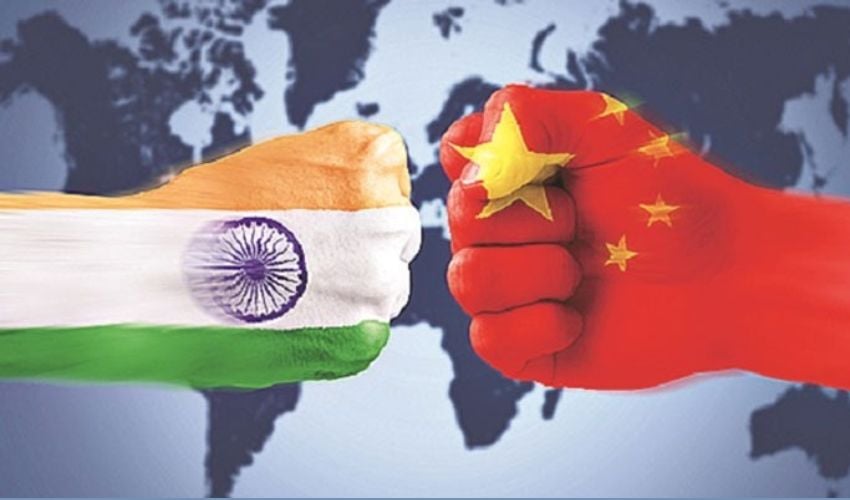
China’s plan to build the world’s largest hydropower dam in Tibet has triggered alarm in India, where officials fear the project could slash water flows by up to 85% during the dry season, threatening millions downstream.
The Yarlung Zangbo river, which originates in Tibet’s Angsi Glacier and flows into India as the Siang and Brahmaputra, sustains more than 100 million people across China, India and Bangladesh.
Beijing announced in December that construction had begun on a $170 billion mega-dam in a border county before the river enters India. Delhi’s internal analysis, seen by Reuters, warns that China could divert up to 40 billion cubic meters of water annually – over a third of what India normally receives at a key border point.
Officials fear this control could allow China to “weaponize” water flows, especially during the non-monsoon season when India’s agricultural heartlands are most vulnerable.
India’s countermeasure: upper Siang dam
To mitigate the risks, India is pushing forward with the Upper Siang Multipurpose Storage Dam – projected to be its largest. With a 14 BCM storage capacity, the dam could reduce Guwahati’s expected water shortfall from 25% to 11% in dry months, according to government estimates.
The project would also act as a buffer against sudden Chinese releases. By keeping 30% of the reservoir empty, India hopes to absorb potential surges without devastating floods downstream.
Local resistance in Arunachal Pradesh
But while Delhi sees the dam as strategic, many in Arunachal Pradesh view it as destructive. The Adi community, which depends on fertile lands for paddy, cardamom, and citrus farming, fears losing villages and livelihoods.
At least 16 villages face submergence, directly displacing around 10,000 people. “We will fight the dam to death,” said Odoni Palo Pabin, a grocer and mother of two.
Protests have already turned violent, with locals destroying machinery and blocking NHPC survey teams. Yet, some villages have begun cooperating after the state promised compensation and infrastructure investments.
International and regional implications
China insists its dam will not harm downstream countries, stressing it has conducted “rigorous scientific research” on safety and environmental protection. India’s Foreign Minister S. Jaishankar, however, has raised concerns directly with his Chinese counterpart.
Experts warn that both dams lie in seismically active zones, raising risks of landslides, glacial outbursts, and structural failure. “It’s a legitimate concern that India should engage with China on,” said Sayanangshu Modak, an India-China water relations expert at the University of Arizona.
Meanwhile, India itself faces accusations of weaponizing water. Earlier this year, Delhi suspended its participation in a 1960 water treaty with Pakistan and is considering diverting river flows away from its downstream neighbor.
Even if approved, the Upper Siang dam could take over a decade to build, leaving India exposed until China’s project comes online in the early 2030s. With both nations locked in territorial disputes, the battle over shared rivers may further strain an already fragile relationship.
For now, the people of Arunachal Pradesh remain caught between two competing powers – uncertain whether these projects promise development or destruction.